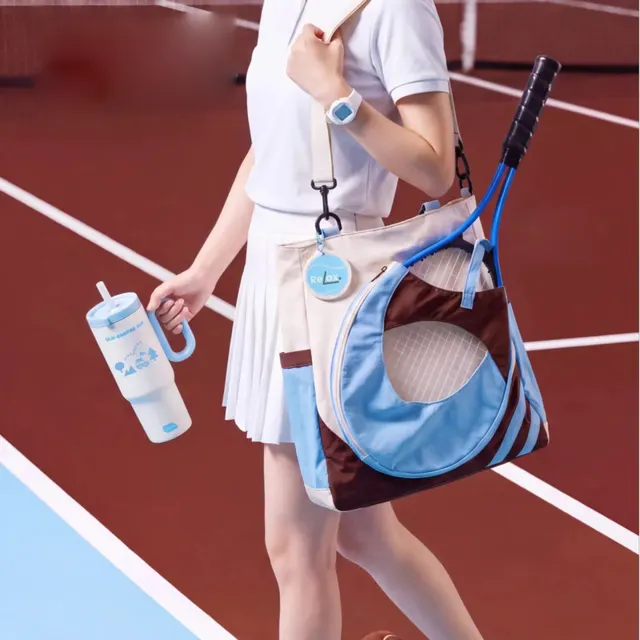
Sports gift sets are chosen activity first. Pickleball, cordless jump rope, table tennis and bag-led kits all fit corporate programmes, but they suit different groups, settings and occasions, and they present very differently — a rigid box, a reusable tote or a simple banded pack. This guide walks through the occasions each sport serves, the drinkware, towels and recovery items that fill out a kit, the presentation and branding choices, and what to confirm on quantities, sizes and budget before you enquire.
Why activity-led gifts get used
A sports gift set hands someone something to do rather than something to keep, which is why the format keeps turning up in employee wellness, onboarding, client appreciation, event giveaways, team-building and anniversary programmes. The gift is used with other people: a paddle, a rope or a ball invites a colleague into the same activity, so it stays useful after the event ends. It also moves between settings easily — office break rooms, gyms, parks, lawns, camps and summer events. For one programme serving mixed groups, that flexibility is the point: the activity stays recognisable while the contents can differ.
Choosing the sport that fits the occasion
Pickleball is a social starting point in the range. Paddles, balls and a carry bag give a team something to play together, and these sets are often framed for team events, lawn and park gatherings, holiday parties and team-building days. A towel, bottle or bag often completes the kit, and the colourways tend to run bright. Where the programme is built around a shared activity rather than a personal fitness goal, pickleball carries the moment.
Jump-rope kits answer a different brief: a counting, cordless or weighted rope takes almost no space, so it suits employees who want movement in a lunch break, at a desk or at the gym. Table-tennis kits bring two paddles, balls and a retractable net for an indoor room. For race packages, employee sports days, campus competitions and gym member gifts, the bag-led formats keep a large group equipped and still presentable.
What fills out a typical kit
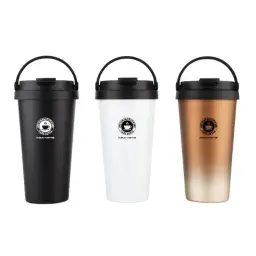
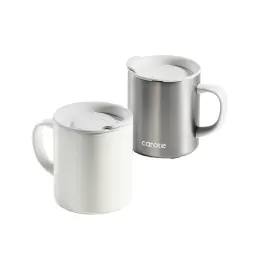
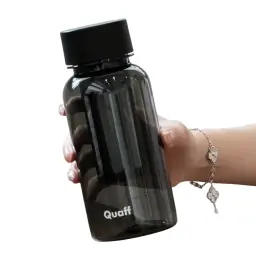
Drinkware recurs as a tumbler, water bottle or thermos, with plastic bodies in some sets and metal or insulated constructions in others — the item recipients keep on a desk long after the event. Towels, often described as quick-dry, cooling or compact, are the other near-constant practical add-on. Where the vessel is the point of the gift rather than an accessory to a sport, buyers tend to start from Drinkware Gift Sets and build the activity in second.
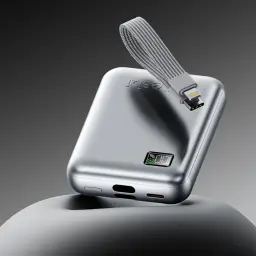
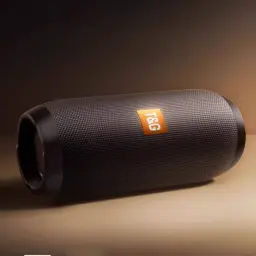
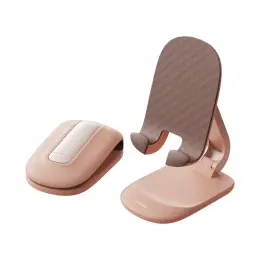
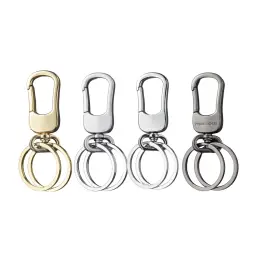
Larger kits add recovery and tech. A mini massage gun, foam roller, resistance band or hand grip turns the set towards post-workout care — Massage Gun Gift Sets is the specialist version of that idea — while a Bluetooth speaker or power bank adds audio or charging, the same accessories Tech Gift Sets gathers around a device. Small keepsakes such as keychains, badges or phone stands appear too, usually as a low-cost branded extra rather than the centre of the gift.
Boxed, bagged or loose presentation
Presentation splits three ways. Rigid gift boxes usually use a lid-and-base or hinged-lid construction with a custom insert and separate compartments, so each item sits in its own place. That format suits client appreciation, milestone and anniversary gifts, where the handover is part of the gift.
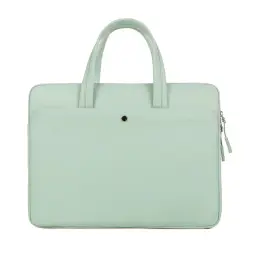
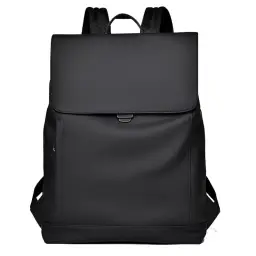
The second option makes the packaging part of the gift: a reusable tote or duffel holds the kit and then goes on being used at the gym, on campus or at the weekend, which suits onboarding, sports-day and race packs; Bag Gift Sets explores that idea in more depth. A third group arrives as loose items with a paper band or no outer box, practical for very large giveaways and less so when the moment calls for an unboxing.
Materials and colour direction
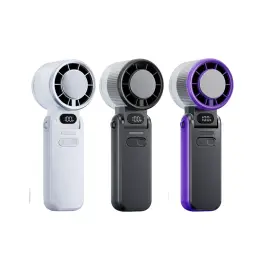
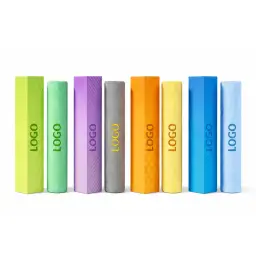
The build follows the activity: fabric for the tote bags and towels, plastic for bottles, fans, paddles and jump-rope parts, metal for tumblers and bottle bodies, silicone for massage heads, grips and seals, and paper for the rigid boxes and inserts. Colour then works as a coordinating device, with set-wide palettes running through orange, yellow, green, blue, purple, beige and silver across products and packaging so the gift reads as one object when opened. Fixing two or three colours across bag, bottle and towel is usually the simplest way to stop a multi-item kit looking like separate giveaways.
Branding and content options
Logo printing is the usual starting point, applied to the bag, bottle, towel, paddle or an enclosed card, and sometimes extended to a branded box sleeve or paper item. Scope varies by set. Where tiered branding is available, light logo printing can start from 20 units, broader brand elements from 200 units, and original design from 1000 units; bag printing may begin from 50 sets. Treat those as examples of how scale changes what is possible, and confirm the method and starting quantity for your configuration.
Pickleball paddles can go further: edge colour, thickness, material, surface finish, ball colour and themed accessories can all be customized in some configurations, worth asking about when the paddle is the centrepiece. Contents can be adjusted too — some sets can be adapted to a budget or a recipient group, or have accessories swapped rather than accepting one fixed build. That is where a China-based sourcing partner such as CARDSILK helps, coordinating components, branding and the box into one presented kit instead of having them bought separately and packed in-house.
Planning quantities, dimensions and budget
Quantities and prices move with configuration. MOQ is confirmed per set: some pickleball, jump-rope and rigid-box configurations start at 100 units, and prices run from about USD 21.99 to USD 50.99 per set — compact tote, bottle and towel sets toward the lower end, larger pickleball or multi-item kits toward the upper. Those are values attached to individual sets, not category rules, so ask for the figure that applies to the contents you choose.
Dimensions are the gap to close early. Item sizes and packed dimensions are not consistently published, so confirm them for your chosen contents rather than comparing listings; a boxed set and a tote pack with similar contents can differ enough to change shipping and storage. Before requesting a quote, settle the activity, the number of recipients and the occasion, then list the items that must appear and the branding method, placement and presentation format you want.