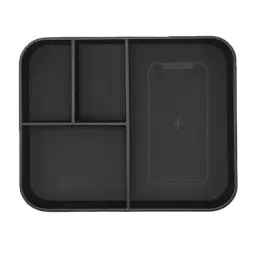
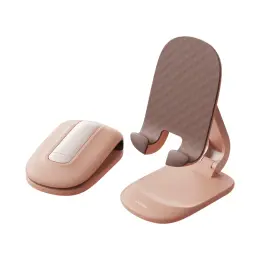
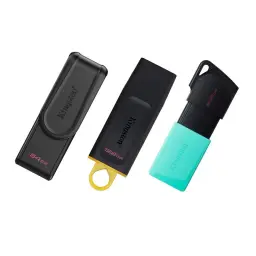
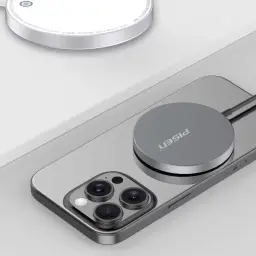
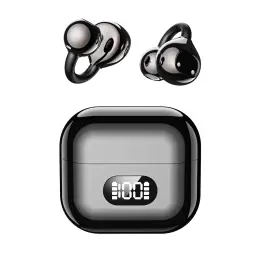
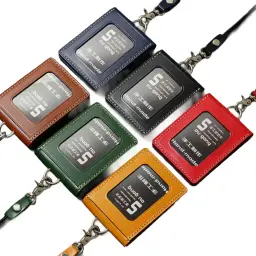
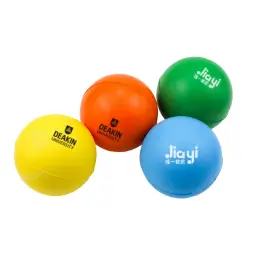
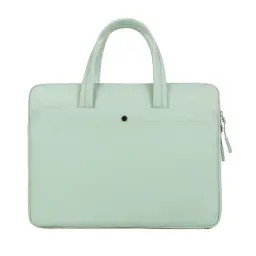
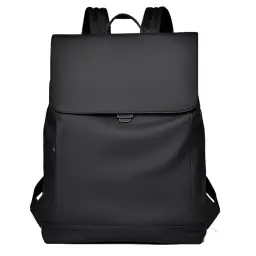
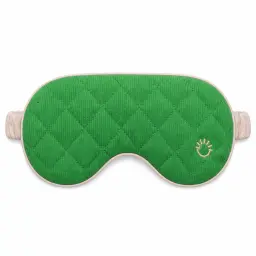
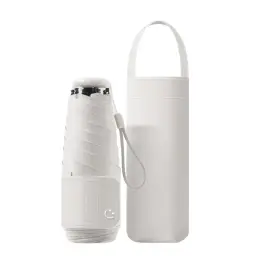
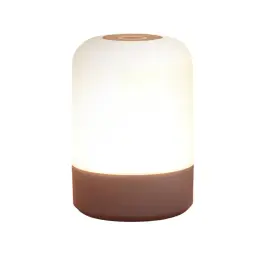
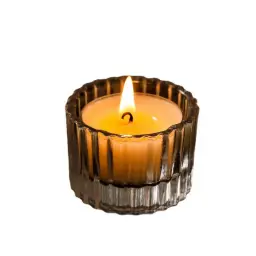
Conference and trade show gifts have to work in the hand, at the desk and on the way home. This guide walks through how the sets here differ by moment — registration welcome, booth giveaway, tea or coffee hospitality, day carry and portable tech — then covers packaging, materials, stated capacities, branding methods, handover and how order quantity affects unit pricing, so an enquiry can be prepared with the right details.
Matching the set to the moment guests meet you
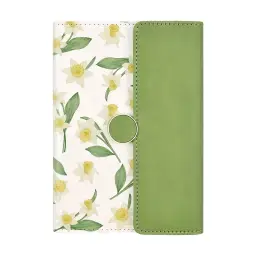
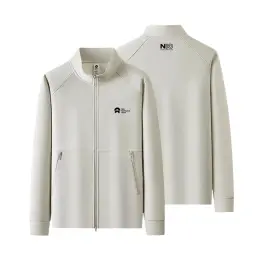
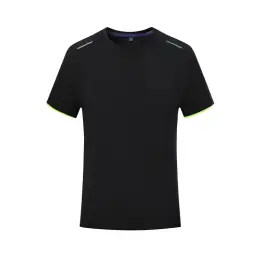
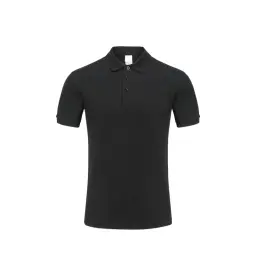
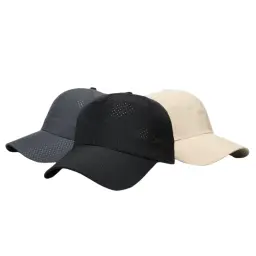
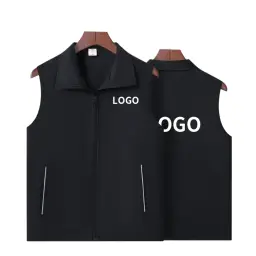
Registration and welcome sets are built around what a guest can use immediately: a notebook and pen paired with a metal badge, an apparel item or a drinkware piece, so the gift is something to write with, wear and take home. Event artwork can run across the notebook cover, the badge and the box, which makes a welcome table look considered rather than assembled on the day.
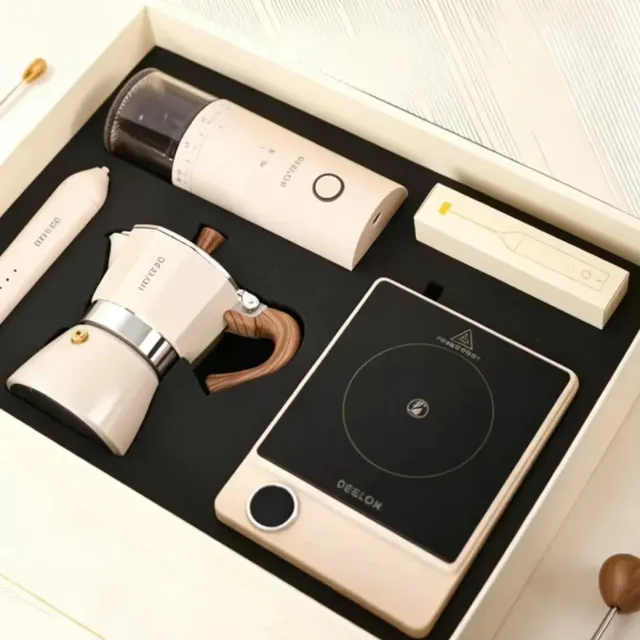
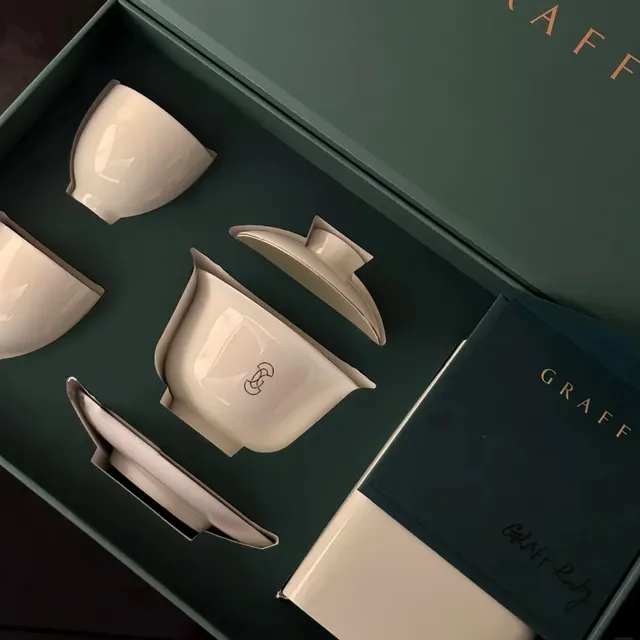
Hospitality briefs read differently. Tea service sets bring brewing and pouring pieces together — glazed ceramic cups, a glass pitcher or teapot, a gaiwan, a tea tin — for hosted meetings and partner conversations. Coffee brewing gift sets give a guest a complete manual routine built around either a Moka pot or a pour-over setup. Both land as hospitality rather than merchandise.
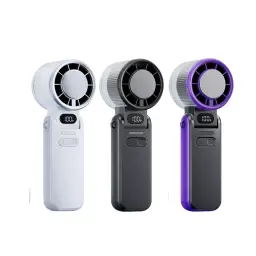
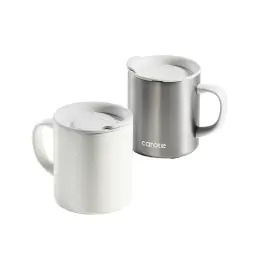
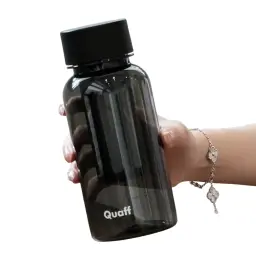
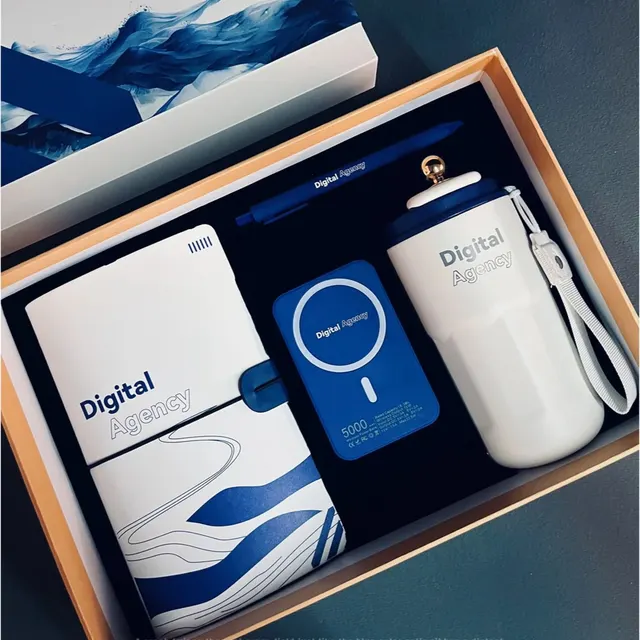
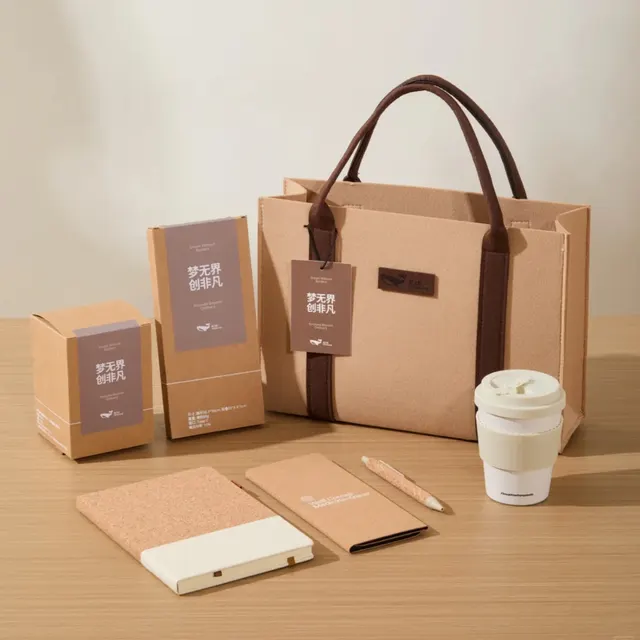
Trade show handouts reward compactness: a ceramic mug with drip coffee bags, or a mug and coaster in a small gift box, can be handed across a busy stand without a bag. Day carry sets add weather and charging to the same idea with a folding umbrella, power bank, water bottle or handheld fan, and tote kits place boxed items inside a reusable carry bag so the gift also carries the day's paperwork.
Choosing between presentation and shipping efficiency
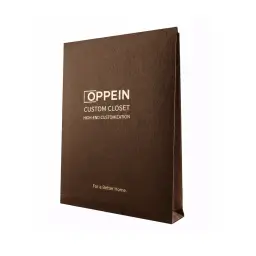
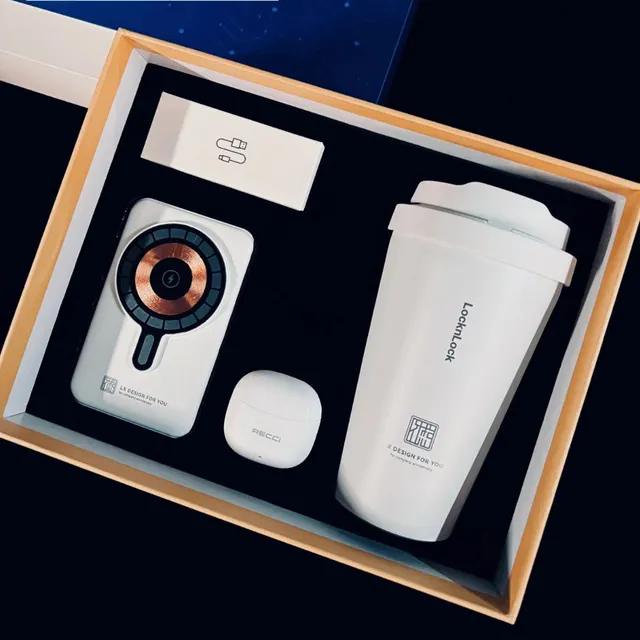
The packaging decision usually follows the handover method. Rigid boxes are commonly lid-and-base or hinged-lid constructions with custom inserts, so each item sits in its own compartment — strong on a registration desk or at a partner dinner, but bulky to store before the event. Where storage and freight space matter, flat-pack corrugated boxes, including glue-free honeycomb builds, are designed for storage-efficient packing until they are assembled on site.
It is worth asking where that assembly happens: a compartmented rigid box can arrive ready to hand over, while a flat-pack box or tote kit may need staff to pack items during setup, which changes the pace of a registration queue as much as it changes the pack-out plan.
Materials and finishes that carry the event look
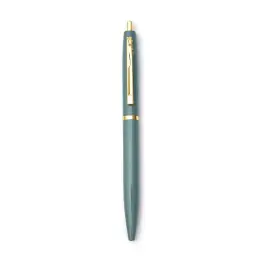
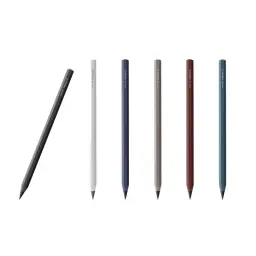
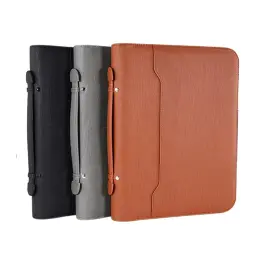
Notebook covers in this range are leather-like or cork over paper inner pages, which take foil stamping and print as a branding surface. Pen bodies range from metal with gold clips to plastic, and many accept laser-engraved or printed logos, so a metal pen and a printed cover can carry the same mark in two different ways.
Drinkware finishes include glazed ceramic and stainless steel, sometimes with metal, glass, wood or cork details, and several sets use natural or recycled materials such as cork, wheat straw, PLA, recycled aluminium and RPET felt. Because these details vary by set, confirm the cover and finish on the style you shortlist.
Capacities, sizes and folded dimensions to plan around
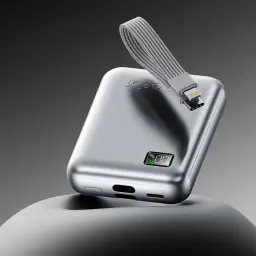
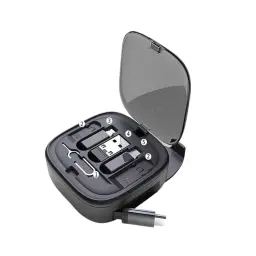
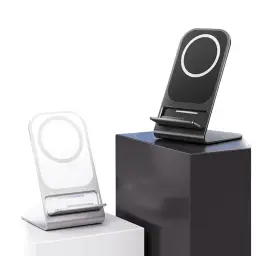
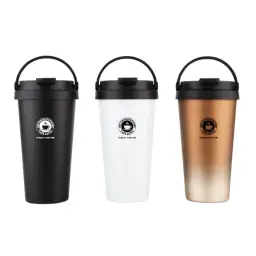
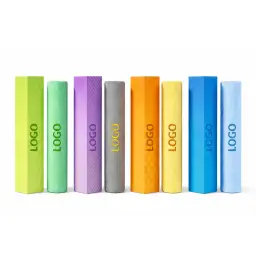
Specifications that matter for planning include drinkware: stainless-steel thermoses and tumblers in 304 or 316 stainless steel at 350 ml, 400 ml, 450 ml, 480 ml and 500 ml. Folding umbrellas appear with eight-rib frames and folded lengths of 19 cm or 32.5 cm, and the portable tech gift sets are built around 10,000 mAh power banks with magnetic wireless charging and built-in cables.
Set dimensions to check include a 33 x 24.5 x 9.8 cm gift box, a 230 x 175 mm A5 notebook, a 200 x 125 mm A6 notebook and a 31 x 28 x 10 cm tote bag. Sizing matters most when the gift has to travel — into a delegate bag, onto a stacked pallet or through a hotel courier desk.
Branding a set across several components
Logo work in this category is rarely one print run. Laser engraving is used on drinkware, pens, power banks, umbrellas and fans, while foil stamping, UV printing or screen printing appears on notebooks, boxes and bags. Notebook covers and inner pages can carry event artwork, and box belly bands, sleeves and bags can be reprinted so different programmes in the same year look distinct.
Confirm the decoration method item by item rather than from the photo: a mark engraved on a tumbler is usually printed or foil stamped on the notebook beside it. Send one artwork file and size per component you want branded.
Packing, handover and the day of the event
Settle early whether sets arrive assembled or are packed on site; some tote kits place boxed items inside the bag, while others need filling during setup. Rigid boxes with custom inserts are a recurring format that holds each item in its own compartment, and many sets include a coordinating paper or transparent gift bag, with some adding a printed sleeve or belly band.
Matching packaging across tiers is often simpler than matching contents: the same box, sleeve and bag can hold a notebook-and-pen set for one guest group and a tea or coffee set for another, so a programme looks consistent from the front desk to the partner dinner.
Quantities and adjacent gifting occasions
Order quantity affects unit pricing: quantity-tiered unit pricing appears across the range, with typical tiers below 100, 100–199, 200–499, 500–999 and 1000+, and lower unit prices at higher quantities. MOQ is quoted per gift set, so confirm the figure against the design you shortlist. The same designs also serve adjacent occasions such as employee onboarding, client appreciation and company anniversaries.
CARDSILK works as a China-based sourcing and customization partner for programmes like these, coordinating items, decoration and packaging into one gift set. Send the event date, guest numbers, delivery address and handover method, plus the items to brand and the artwork for each, and the first proposal is easier to get right.