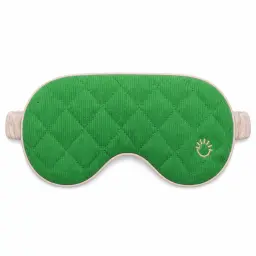
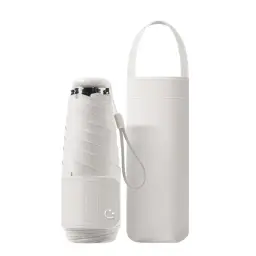
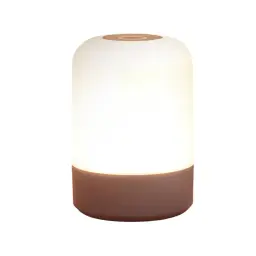
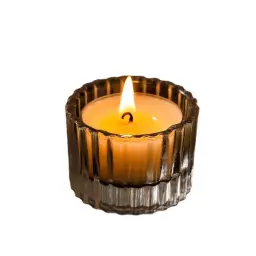
A corrugated paper gift set starts with the box. This guide explains how corrugated and honeycomb paperboard boxes are built, how lid formats change the way a gift is opened, and how cut inserts hold bottles, jars, mugs and other fillers in place. It then looks at natural versus colored board, branding options, presentation accessories and the programme types the format suits, and closes with what buyers should prepare before requesting a customized corrugated gift set.
How These Gift Boxes Are Made
In this category the box is the structure of the gift, not an afterthought. Corrugated or honeycomb paperboard carries the weight, sometimes layered with high-density board, kraft paper or a surface laminate, and the result is usually a rigid box with a lid and a custom insert rather than a simple folding carton. Because the packaging leads, a buyer's first decision is often the board itself: how it looks in the hand, how rigid it feels, and how much interior space it leaves for the items.
A few structures go further. Some corrugated boxes use V-groove and mortise-and-tenon construction, which lets them ship flat and be assembled without glue. That is a format choice rather than the rule for the category, but it is worth asking about when storage or freight volume is a real constraint.
Box Formats and Handover Moments
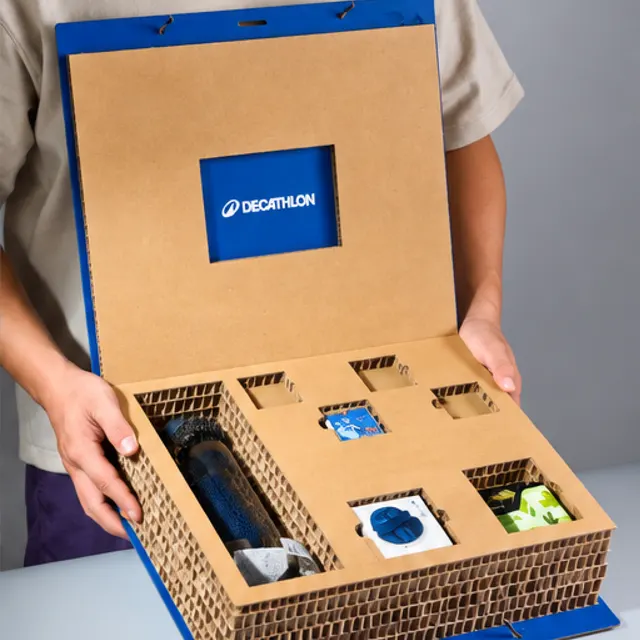
Format decides how the gift is opened. Hinged-lid boxes are common in this range, and some add a magnetic closure so the lid can be opened and closed repeatedly. Available formats also include lid-and-base boxes, book-style flip lids, envelope-style wraps and briefcase-style cases. Each gives a different moment: a book-style flip reads like opening a book, while a briefcase format suits a larger presentation.
Format also shapes handover. A paper sleeve, an added gift bag or an integrated handle can turn the box into something the recipient carries away, which matters at events and on-site distributions where wrapping and re-packing are impractical.
Inserts That Hold Each Item
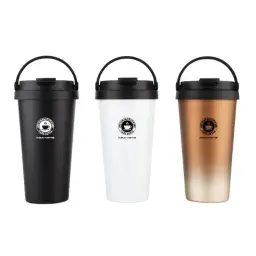
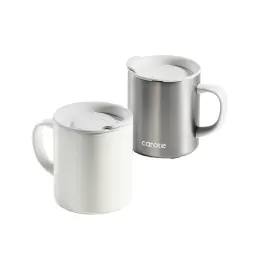
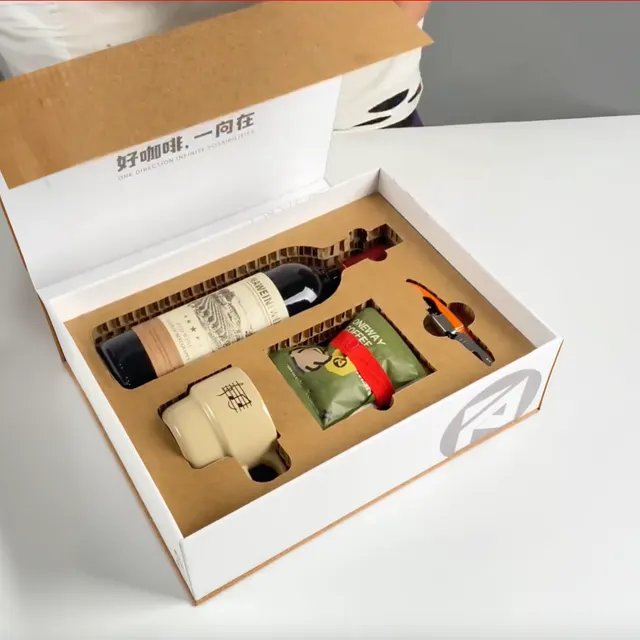
Honeycomb paperboard inserts are cut into separate compartments to hold each item in place, and they often replace foam or sponge padding. Because the cutouts follow the product, the insert can be shaped around a bottle, a jar, a mug, a set of capsules or an irregular item. That is the same logic behind drinkware gift sets, where each piece needs its own nest rather than a loosely filled cavity.
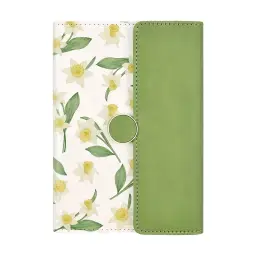
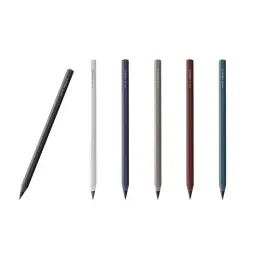
Food and beverage sets lean on compartmentalized inserts most: separate wells keep bottles, jars, tea cakes, capsules or snacks stable and apart. Stationery-led combinations such as notebook gift sets follow the same principle: the insert layout should follow the items actually going in, so the tray depth and compartment pattern are decided after the contents, not before.
Natural Board, Colored Board and Branding
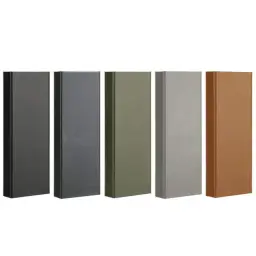
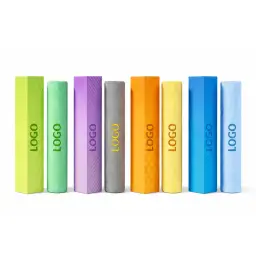
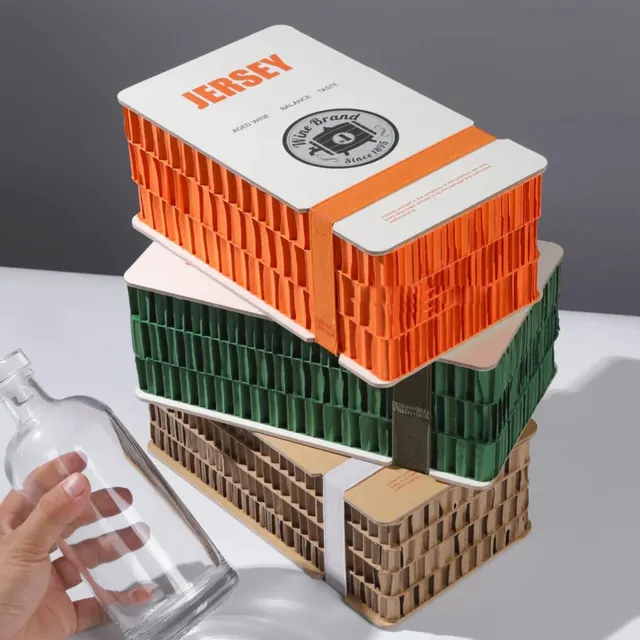
The default look in this category is natural brown kraft or honeycomb paperboard, often paired with white, black or metallic accents. It reads honest and unpolished, which suits a gift that should feel direct rather than precious. Colored board shifts that message: black, white, orange, green and beige honeycomb or corrugated options let a buyer separate SKUs or carry brand color, and a surface laminate can carry corporate brand color on the board.
Branding sits on top of the board choice. Box surfaces can take silk-screen printing, UV printing and hot stamping for logos and graphics, and the same treatments can extend to sleeves and ribbons, and sometimes to the enclosed products themselves. Buyers planning a colored box should decide early whether the brand color comes from the board, the laminate or the printed artwork.
Presentation and Handover
Presentation accessories do much of the finishing work. Paper sleeves, gift bags and integrated handles in fabric, rope, woven or paper give the box a carry-anywhere feel, so it can be handed over without extra wrapping. Ribbons, bands and string-and-button closures add color and can be coordinated with the brand palette or a seasonal theme.
Some boxes are also designed to be kept. Once the gift is removed, a well-made paperboard box can serve as storage or a keepsake, which extends the life of the present and keeps the brand quietly in view long after the handover.
Matching Sets to Gifting Programmes
The category maps onto the programme types buyers actually run: client appreciation, employee onboarding or welcome, event giveaways, trade shows, annual meetings, company anniversaries and holiday gifting. A structured box with a cut insert suits a welcome kit, where employee onboarding kits often need several items to sit together in one presentation, while a sleeve or handled format can work for an event giveaway where the box is carried away and handled quickly.
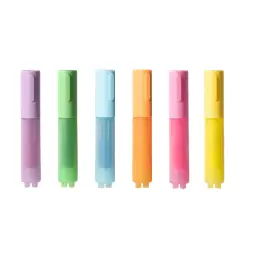
The format is also modular. Because the insert can hold several compartments, buyers can combine different filler products into one coordinated set, such as a drink, a snack and a small accessory in a single gift. The same structure can be adapted across client and partner gifts for different recipients, and can serve holiday corporate gifts by changing the ribbon color or the enclosed items.
What to Prepare Before Enquiring
Because the gift set is packaging-led, the filler product comes first. Buyers should define the product and its dimensions before insert cutouts and box format are specified, since the interior is built around the item rather than the other way round. Quantity matters as well, and because MOQ and price are set per gift set rather than for the category as a whole, the figures to plan against are the ones attached to the specific box.
It also helps to know that some formats are already batch-produced and can be customized in the same style, so a buyer is often refining an existing structure rather than starting from a blank sheet. Artwork for the box, sleeve or ribbon should be ready before the first conversation. CARDSILK works from China supply-chain resources as a supplier, coordinating box, insert and branding across a gifting programme so that one enquiry covers the packaging and its finish.