Coffee gift sets sit where a genuinely useful daily object meets a gift that feels considered. This guide sets out the two routes through the category — brewing from whole beans, or leading with drinkware and prepared coffee — then covers the materials, consumables, packaging, branding and occasions that shape the decision, and closes on what to settle before asking a supplier for a set list and a quote.
Start with the Brewing Method
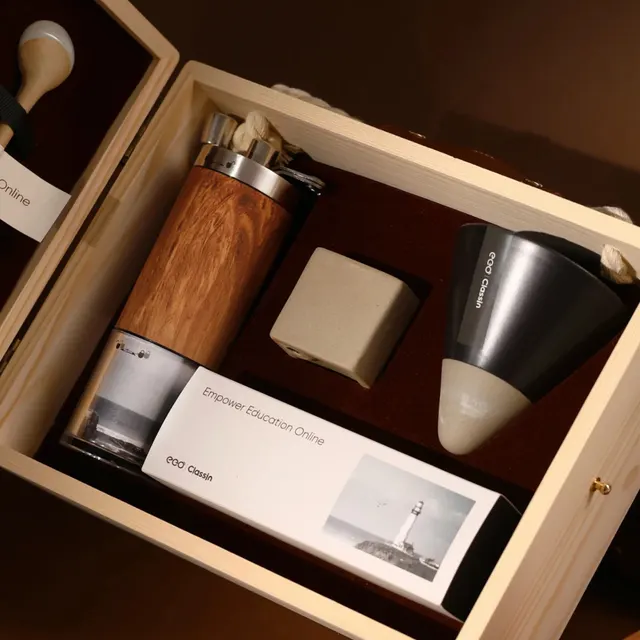
Two subgroups organize this category, and the split is practical rather than cosmetic. Hand-grinder sets are built around grinding whole beans: a hand grinder, a pour-over kettle or dripper, and a tumbler or mug to drink from. Regular coffee sets leave the grinder out and lead with drinkware and prepared coffee instead. Both arrive as a presented gift, but they suit different recipients. A team that drinks whatever is already in the office kitchen gets more daily use from the simpler route, while someone who enjoys the brewing ritual reads the fuller kit as the more generous gift.
Settle this before comparing packaging or price, because the brewing method changes the component mix, the price position and who the set suits. A manual kit and a drinkware-led box are rarely interchangeable on one recipient list, though a mixed group can be split across both.
What a Coffee Gift Set Can Include
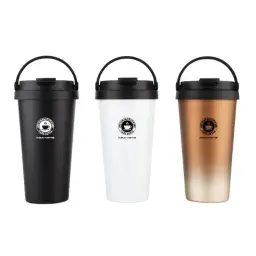
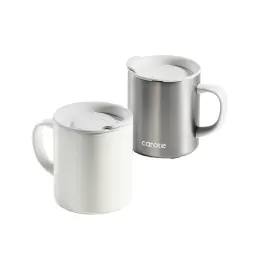
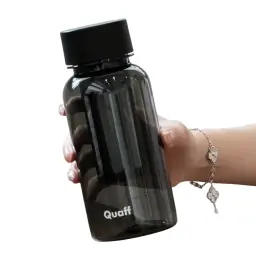
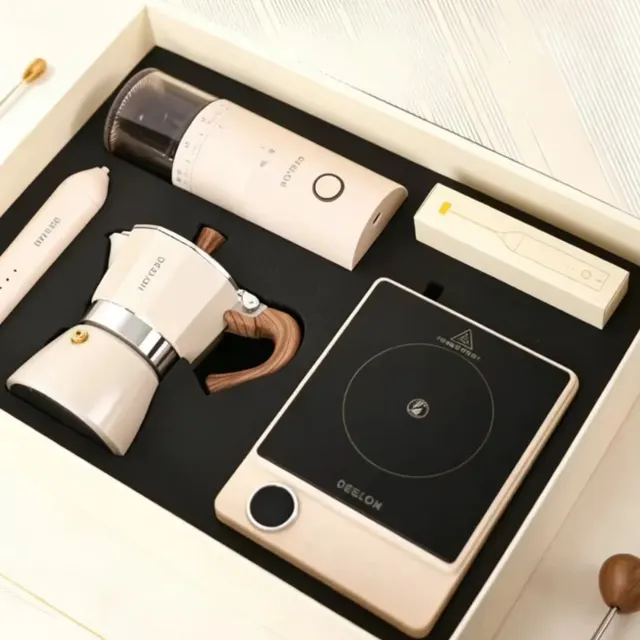
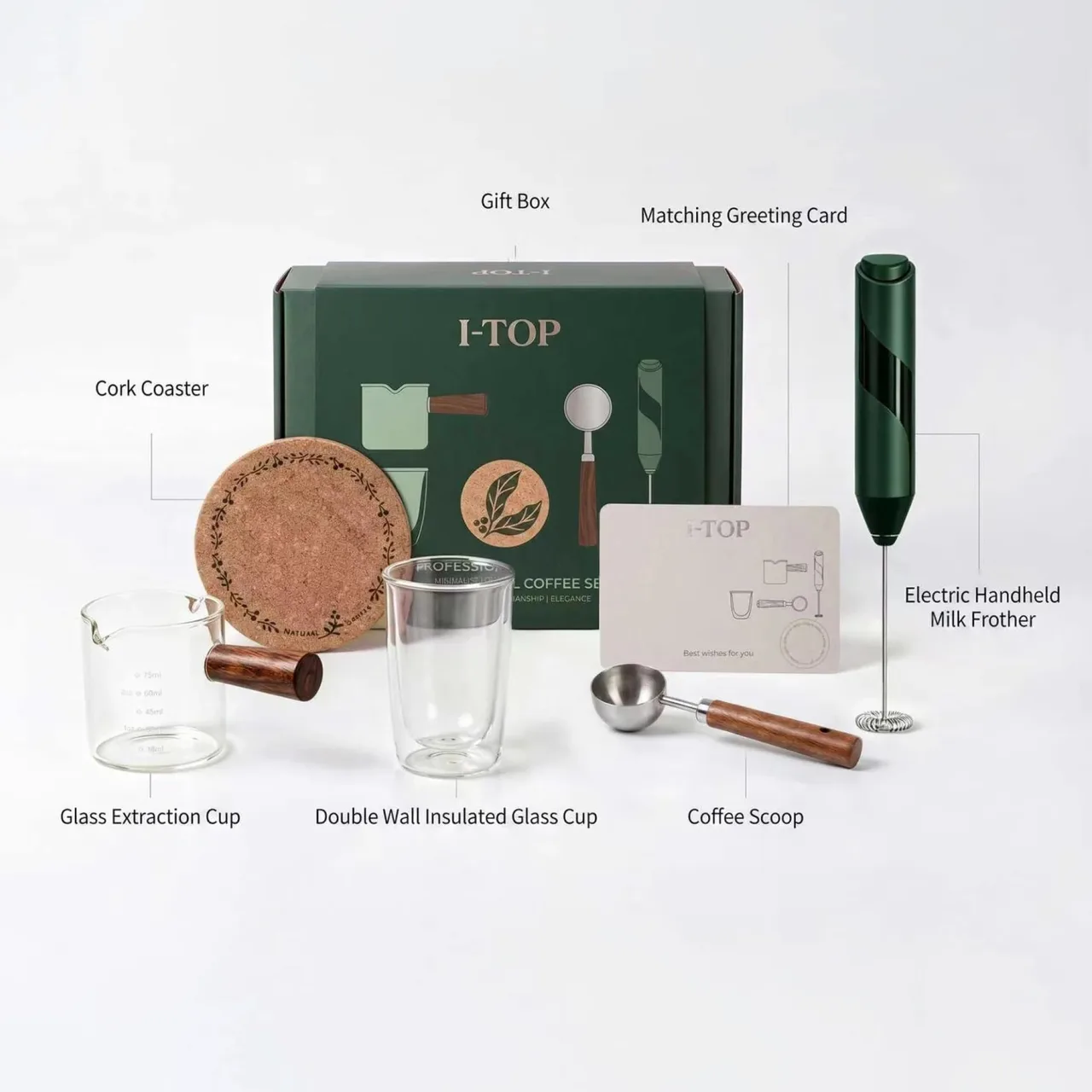
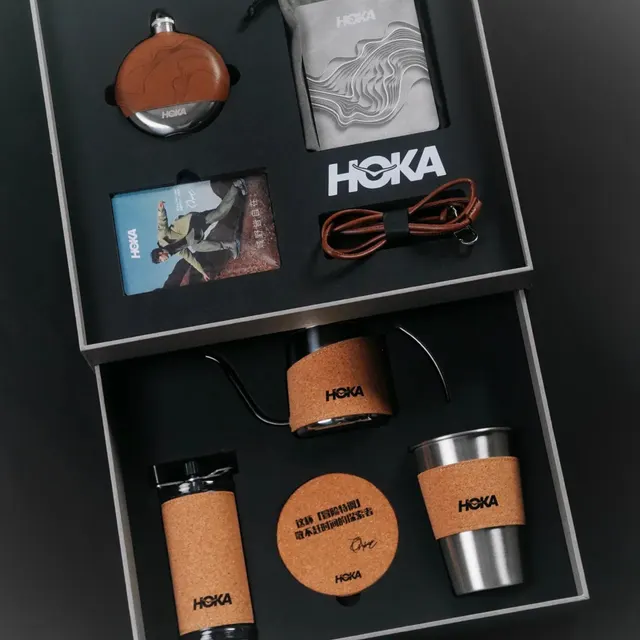
Sets in this category are built around drinking or brewing coffee, and the box builds outwards from that core. Regular configurations stay simple: ceramic mugs or tumblers, drip coffee bags, ground coffee and a brewing accessory or two. Where a mug or tumbler carries most of the value, these overlap with standalone drinkware gift sets, but here they arrive boxed with coffee and a reason to use them. Pour-over configurations can add a gooseneck or pour-over kettle, a dripper, filter papers and a grinder, while a Moka-style set can pair an electric grinder, a milk frother and a compact induction hot plate.
Materials and Finishes Buyers Notice
Ceramic is a recurring material for mugs, tumblers and pour-over drippers, usually in white, black or glazed finishes. Metal appears in kettles, tumblers, grinders and flasks; where a set specifies it, look for grades such as 304 stainless steel for a tumbler or food-grade stainless steel for a kettle, and confirm the exact specification per set rather than assuming it applies across the category. Wood and wood-effect elements on grinder bodies, handles, scoops and mug sleeves add warmth, while leather or leather-textured wraps on kettles, tumblers and box handles push a set toward a more executive feel.
Cork appears in bags, sleeves and coasters, usually in beige or brown palettes, and is sometimes presented as an eco-conscious option. Glass shows up in double-wall tumblers, extraction cups and grinder chambers, where seeing the drink or the brewing process is part of the appeal. Material is often the quickest way to move a set between an onboarding gift and a premium client piece.
Coffee Formats and Consumables
Coffee is often what turns a drinkware box into a gift. Configurations can include drip coffee bags, ground coffee packets, roasted beans and filter papers, placed alongside the mug or brewer that will use them, though not every set includes consumables. A few sets quote their own figures — such as forty grind settings, forty paper filters or six-hour heat retention — but these are product-level details to check per set, not category benchmarks. Consumables also raise an early question about whether the same box can be ordered without coffee for recipients who already have a favourite roast.
Packaging and Handover
Rigid gift boxes are the dominant format, frequently with hinged or lid-and-base construction and custom inserts or compartments that hold the drinkware and coffee in place. Two-tier and drawer boxes are used when a set includes a flask or a second piece of drinkware, while wooden boxes with hinged lids and rope handles appear as an alternative format. Cork-fabric or patterned gift bags work as primary packaging or as a coordinating handover bag for a set presented from its box.
The box is the first thing the recipient receives, so format and insert layout usually deserve as much attention as the contents. A team handing out gifts at scale will want to know whether a set can be given straight from the box, whether a bag is needed to carry it, and how the insert is secured for transport.
Branding and Customization
Logo placement is the usual starting point, and it can sit on the gift box, the drinkware, the bag or the accessories. From there, customization widens: box colours, insert layouts, ribbons, thank-you cards and coordinated event themes can all be adjusted, and some programmes cover the full set so packaging, contents and visual theme move together. Cultural or commemorative motifs, such as paper-cut zodiac patterns or a commemorative badge, can be worked into the tools or packaging for a milestone date. What is possible depends on the configuration, so it helps to say early which surfaces should carry the brand.
Occasions, Recipients and Programme Support
Coffee sets are used for employee onboarding kits and welcome packs, client appreciation, conference giveaways, annual meetings, company anniversaries, employee benefits, project celebrations and holiday gifting. The thread running through these occasions is a recipient who drinks coffee regularly, so the gift keeps working after the event it marked. For onboarding, a drinkware-led set that asks nothing of the recipient is the easier welcome; at a conference or trade show, a compact grinder-and-tumbler set travels better and reads as a more considered giveaway.
Recipients brew at home, at a desk or while travelling, and the drinkware and tools stay useful long after the gift event. That makes coffee sets a reasonable fit wherever one box has to work for a mixed group, provided the brewing method is settled first. As a China-based sourcing and customization supplier, CARDSILK coordinates box, drinkware and artwork across a run, drawing on local supply-chain resources.
Programme support can extend beyond the physical set to a design-to-production-to-delivery service, where gifting becomes a programme with artwork, assembly and handover planned together. Bringing the occasion, recipient profile and intended brewing method to a first conversation, with branding assets and any packaging direction, helps the team shape a set list.