
Sourcing Corporate Gifts from China: A Factory-Direct Buyer's Guide
How to find real manufacturers in China — not middlemen — for corporate gifts. Covers factory vs trading company vs platform, MOQ and pricing realities, gift box manufacturing, logistics, and common first-order mistakes.
 By Chen | corporate gifts china manufacturer
If you have sourced corporate gifts outside of China, you have almost certainly sourced corporate gifts from China without knowing it. The branded notebook in the gift set, the custom rigid box it came in, the ceramic mug with the embossed logo, the power bank in the matching fabric wrap — most of it was manufactured in the clusters around Guangzhou, Ningbo, Yiwu, and Shenzhen. A local gifting company may have curated the set, applied the branding, and managed the delivery. But the products themselves almost certainly started in a Chinese factory.
This is not a sales pitch for sourcing from China. It is a description of how the global corporate gift supply chain works. The question is not whether your gifts come from China. The question is whether you have any visibility into who is making them, under what conditions, at what cost, and with what level of quality control.
This guide is written for gift distributors, procurement managers, event planners, and anyone buying corporate gifts at volume. It covers the full process: understanding the industry landscape, identifying the right type of supplier, evaluating them from a distance, communicating effectively, navigating MOQ and pricing, managing customization and quality, and handling logistics. By the end, you will know exactly what it takes to source corporate gifts from China — and what to watch out for at every step.
1. Why Corporate Gifts Almost Certainly Come From China
The Industry Clusters
China's manufacturing advantage is not low cost — it is density. Within a few hundred kilometers of each other you can find packaging (Dongguan), electronics (Shenzhen), textiles (Yiwu), ceramics (Chaozhou), stationery (Ningbo), and metal products (Yongkang) — every component of a corporate gift set within a two-hour drive of each other. One truck collects everything within 100 kilometers. That is why custom gift sets are almost impossible to source outside of China without paying a significant premium.
Before You Start: Know What You Are Buying
The phrase "sourcing corporate gifts from China" actually covers two completely different needs. Identify yours before going further.
Need A: Single product, large quantity. You need one or two products — 5,000 power banks, 3,000 notebooks, 2,000 umbrellas. Each in large volume with minimal customization (just a logo). Your best approach: go directly to a specialized factory for that product category, or use a trading company for price comparison.
Need B: Multi-product gift sets with coordinated packaging. Your gift set combines multiple products — a notebook, a pen, a power bank, plus custom packaging — all branded and delivered as one finished set. Individual quantities per item may be modest. If you order from four separate factories, you will manage four MOQs, four QC standards, four timelines, plus assembly, packaging, and multi-vendor logistics yourself. A factory-direct gift supplier does all of that for you: they have already vetted and coordinated the various specialized factories, and they deliver a finished gift set under one point of accountability. This entire guide is written for you.
Quick test: Are you buying "a batch of products" or "a gift project"? The first goes to a factory. The second goes to a factory-direct gift supplier.
2. Who You Are Really Talking To
On Alibaba and other B2B platforms, many companies list themselves as "manufacturer." Some are. Many are not. Understanding who is on the other end of your inquiry is the first step to evaluating any supplier.
1. B2B Platforms (Alibaba, Made-in-China, Global Sources)
These are marketplaces where suppliers list products and you browse, compare, and contact them. The platform itself does not manufacture, inspect, or guarantee anything. A Gold Supplier badge means only that the company paid a membership fee. Many companies listed as "manufacturer" are actually trading companies — they pay a few thousand dollars to open a store and pass orders through two or three intermediaries before reaching a real factory.
- When they work: You know exactly what you want and can evaluate suppliers yourself.
- When they do not: You need guidance on what works at your budget, or accountability for a multi-component gift set.
- How to identify: No verification. Any company can list as "manufacturer" — apply the vetting framework in Chapter 3 before trusting anyone.
2. Trading Companies
A trading company does not manufacture anything. They source products from a network of factories, add a margin, and manage the transaction. Their value is aggregation — one contact for multiple product categories. Their limitation is that they do not control production. When a quality issue arises, they relay your feedback to the factory rather than walking to the production floor and fixing it.
Two questions will reveal the difference between a trading company and a real manufacturer: "Can you send me a photo of your production floor from today?" and "What machines do you own?" A manufacturer answers specifically. A trading company gives you a version of "we work with many partner factories."
- When they work: Simple, commoditized products where quality variance is low. Efficient for price comparison across multiple factories.
- When they do not: Custom gift sets where every component is made to specification and packaging carries brand weight. The communication latency and quality risk of the middleman model add up.
- How to identify: Product range is unusually broad (plastic cups to electronics to apparel). Office or showroom photos on their website, not production floor images. Sales-oriented responses, vague on technical details.
3. Factory-Direct Gift Suppliers
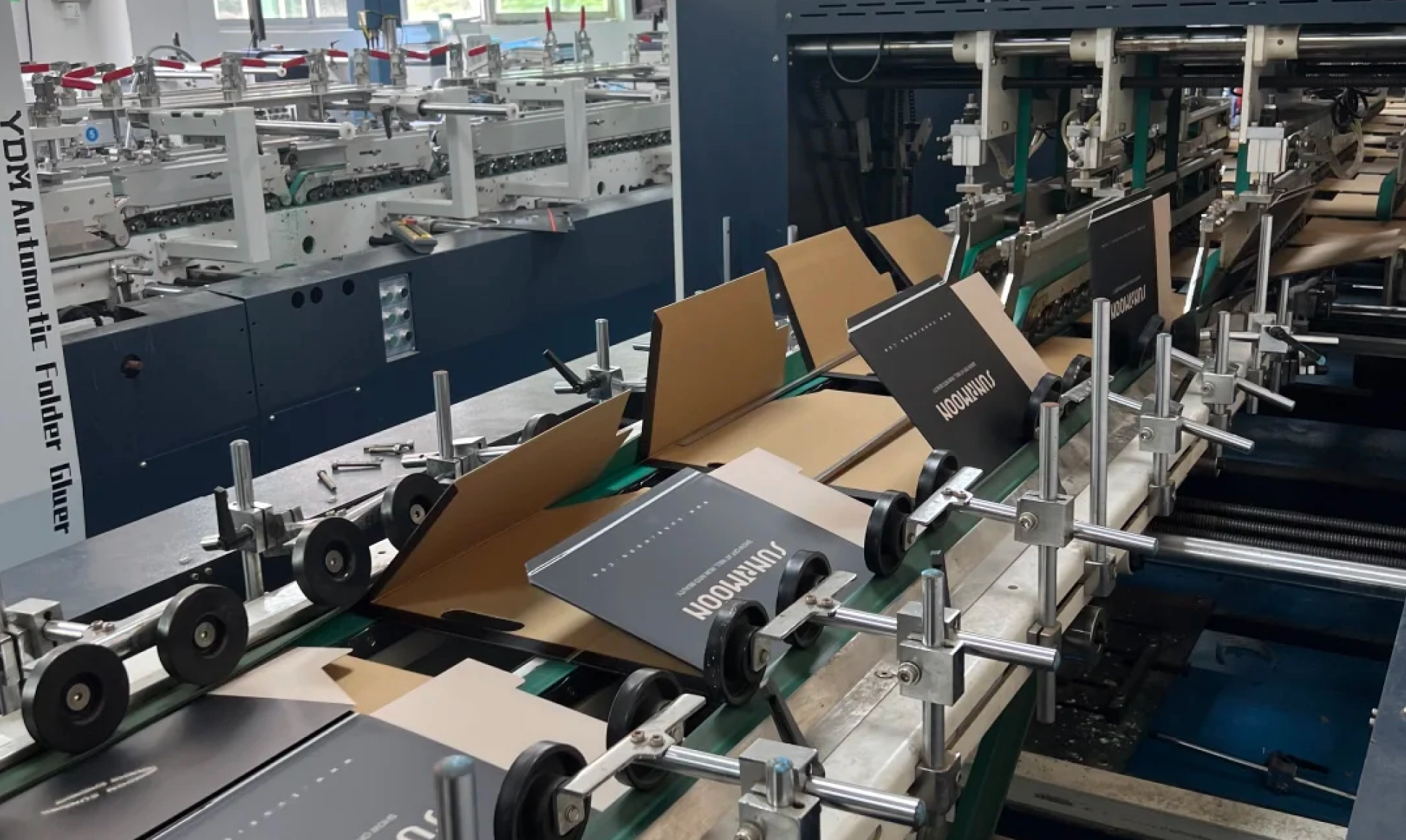
This model owns production lines for gift-related manufacturing — gift boxes, decoration processes (hot stamping, embossing, UV printing, screen printing), and gift set assembly. They do not make every component of a gift set (no single factory does), but they control the core processes that determine the final result: packaging, decoration, and multi-component quality control, with direct accountability over partner factories they regularly work with.
This is the type most buyers should be looking for, but it is also the hardest to find — because many companies claim to be what they are not. Here is what the factory-direct difference actually means in practice.
Quality control depth. A trading company forwards your design file to a factory, forwards the factory's response back to you, and forwards your complaint to the factory when something goes wrong. Their response to any quality issue is "let me ask the factory." A factory-direct supplier walks to the production floor, pulls a sample off the line, and checks it with calipers and a color chart. On a single sample the difference may not show. Across 500 or 1,000 sets, the reliability gap compounds exponentially. A middleman has no workshop floor to walk to — that is not a process failure, it is a structural limitation.
Price transparency. A trading company layers operating costs on top of the factory price: Alibaba store fees (thousands to tens of thousands of dollars per year), keyword bidding for traffic (pay-per-click), sales team commissions, office rent, management margin. All of these end up in your quote. A factory-direct supplier does not pay for platform traffic — they get orders through referrals, repeat business, and trade shows. Factory-direct pricing is typically 20 to 40 percent lower than a trading company's for the same product. Not because the factory earns less, but because their cost structure does not include paid traffic acquisition.
Decision distance. When you discuss material thickness, die dimensions, or insert structure with a trading company salesperson, they record your questions and forward them. They cannot evaluate feasibility in real time — that is not their skill set. A factory-direct supplier's production lead or technical sales hears your requirement and can tell you immediately whether it works, what the alternatives are, and what trade-offs apply. One less layer of translation means one less opportunity for misunderstanding.
Communication routing. Every message between you and the production floor passes through an extra person when you work with a trading company: you → their sales → factory sales → production team. Each handoff adds delay and risks losing nuance. A factory-direct supplier's project manager or point of contact walks over to the production line and talks to the team directly. When you send a question at 10 a.m. Beijing time, you get the production team's answer — not a forwarded guess.
Problem response speed. When a quality issue is found during production, a factory-direct supplier stops the line, identifies affected units, roots out the cause, adjusts, and resumes. A trading company's process: you send photos, they forward to the factory, the factory replies, they forward to you. A full day passes. On a tight timeline, that day may cost you an entire event window.
Sample iteration speed. A factory-direct supplier can produce a revised sample in 2 to 3 days because the sample is made in their own workshop. A trading company coordinates with an external factory — one sample cycle takes 7 to 10 days. Each revision round costs two weeks instead of a few days.
Accountability over time. A trading company sells whatever their network can source. Today it is gift boxes, tomorrow it might be industrial components. They have no ongoing relationship with any specific production line. A factory-direct supplier's capacity, equipment, and technical team are finite — and the best factories prioritize long-term clients. The first order requires the most coordination effort. By the second or third order, both sides know the process and expectations. The fifth order may need nothing more than an email confirming quantity. That compounding effect does not exist in a trading company relationship — each time you are working with a sales contact, not a production line.
At a Glance
| B2B Platform | Trading Company | Factory-Direct | |
|---|---|---|---|
| What they are | Discovery marketplace | Middleman, no production | Manufacturer with core production |
| Customization | Varies by listing | Varies, limited by factory network | Full material/structure/finish |
| Gift set coordination | You manage everything | Can aggregate, low accountability | Core capability, single point of contact |
| Supply chain visibility | None | Low | Full |
| Pricing model | Supplier-dependent | Added margin on factory price | Factory-direct |
| Best for | Self-directed sourcing | Simple products, price comparison | Custom gift sets, quality control |
3. How to Judge Whether a Chinese Supplier Is Reliable
Not every buyer can fly to China for a factory visit. Here is how to evaluate suppliers remotely.
Video Factory Tour
Ask the supplier to walk through their facility in this order: raw material storage → production floor → QC station → finished goods warehouse → packing area.
Green flags: Workers are operating normally (not performing for the camera). Standard operating procedures are posted at workstations. QC tools (calipers, color charts, scales) are visible and within calibration. The warehouse has basic inventory management — shelves, labels, batch records.
Red flags: The supplier refuses video for "commercial confidentiality" reasons. They show you a showroom instead of the workshop. The workshop is unnaturally clean — a working factory has raw materials, half-finished goods, and some level of organized mess. Workers gather around the camera (staged performance).
Three Questions That Reveal the Most
- "How long have you been with this company, and what did you do before?" — This tests the person you are talking to. If they come from a sales background, their answers about production will be vague. If they come from production or engineering, the details will be specific and confident.
- "Tell me about a recent project similar to mine. What went wrong and how did you fix it?" — This tests honesty. Every factory has had problems. A supplier who openly shares a problem and explains how they resolved it is far more trustworthy than one who says "we never have problems."
- "If the production batch fails QC, what happens?" — This tests process maturity. A good answer: QA issues a non-conformance report → rework or remake → second inspection → customer confirmation. A bad answer: "We guarantee quality" — no process description.
What to Check If You Visit in Person
- Raw material warehouse: Are materials sorted and labeled? Is there FIFO management? Temperature and humidity control?
- Production floor: Are machines running? (Running = orders to fill). Are operators skilled at their stations? How is 5S (sort, set in order, shine, standardize, sustain)?
- QC area: Is there a red bin or red zone for defective products? Are QC tools calibrated? Are inspection records kept with batch traceability?
- Finished goods warehouse: Are cartons stacked neatly? Are shipping marks clear? Does inventory match records?
- Behind the office desk: Does the contact person's workstation have production-related documents, or only a computer and phone? The latter suggests they are a pure sales configuration.
Real Red Flags — Anonymized Cases
Fake certification. A Middle Eastern client received hot-stamped gift boxes where the foil began peeling after two weeks. The supplier had provided an SGS certification report that turned out to be photoshopped. The factory had used standard PET transfer film instead of genuine hot stamping foil. Loss: $28,000 in product value plus $6,000 in air freight for replacement. Lesson: verify certification numbers on the third-party website. Request batch-specific QC reports, not generic certification files.
Sample versus production mismatch. A US client approved a sample in deep blue linen-wrapped boxes. The production batch arrived in light blue plain-weave fabric. The factory explained "different fabric batch." The color difference was three Pantone shades. Because the contract specified "production according to sample" without locking Pantone numbers, the buyer had no recourse. Lesson: lock all key parameters — Pantone numbers, fabric codes, die numbers — in the contract.
Promise without production confirmation. A European client communicated with a factory salesperson via messaging. Every reply was "no problem," "we can do it," "OK." One week before the delivery date, the salesperson announced "that material doesn't work, let's use a substitute." The client already had event dates locked and logistics booked. They accepted a visibly inferior alternative. Lesson: when a Chinese supplier says "no problem," they may mean "I need to check with production but I do not want to lose this order now." Always follow up with a detail question: "Have you done this before? Can you show me photos?"
Trust Signals vs Warning Signals
| Trust Signal | Warning Signal |
|---|---|
| Agrees to video factory tour immediately | Makes excuses to avoid video |
| Answers specific equipment model and parameters | Vague answers, "we work with many partners" |
| Volunteers "this cannot be done" or "this is a risk" | Says "no problem" to everything |
| Quote is itemized (materials, labor, processes, packaging, logistics) | Quote is a flat per-set price with no breakdown |
| Insists on putting key parameters in writing | Promises everything verbally, avoids documentation |
| Mentions past problems and how they improved | "We have never had problems" |
4. How to Communicate and Place Your Order Effectively
Most articles about sourcing from China tell you what to do. Few tell you exactly how to say it. This chapter covers the specifics.
4.1 How to Write an RFQ That Gets a Real Response
The most common mistake: sending a one-line inquiry.
"How much for custom gift boxes?"
"I need 500 corporate gifts, send me your catalog."
The result: the salesperson cannot assess your needs, sends a generic template reply with a 50-page catalog PDF, and you waste two days flipping through products that do not fit.
A proper RFQ includes:
Subject: [Inquiry] Corporate Gift Sets – 300 sets, Q4 2025, EU Delivery
- Occasion: Client holiday gifts
- Recipients: 300 C-level clients, luxury positioning
- Quantity: 250-300 sets (exact quantity TBD within this range)
- Target budget: $25-35/set all-in (including packaging, delivery to EU)
- Desired delivery: Must arrive by November 30, 2025
- Destination: Single address in Frankfurt, DE (prefer DDP)
- Products interest: Tech accessory + premium stationery combination — Bluetooth tracker or high-end pen, A5 notebook, small leather card holder or similar. Ideas welcome if alternatives fit better.
- Packaging: Custom rigid box with magnetic closure, logo debossed on lid
- Branding: Logo on box exterior + notebook cover. Vector files (.ai/.eps) available
- Quantity per set: 1x each item, assembled as one gift set
Requested in quote: Ex-factory unit price breakdown per component, tooling/die costs, estimated sample timeline and cost, production timeline after sample approval, freight estimate (air vs sea) to Frankfurt.
The level of detail in your RFQ directly determines the quality of the response. Vague input gets you template output.
4.2 Three Stages of Buyer Readiness
Your position before you start communicating determines what a good supplier response looks like.
Stage 1: You have a complete brief. You know the products, quantities, materials, logo placement, packaging, deadline, destinations, and budget. You need a supplier who can execute.
- Good response: A feasibility assessment, line-by-line quote, production timeline with milestone dates, a sample schedule, and flagged risks.
- Red flag: A supplier who quotes a per-unit price immediately without discussing packaging, timeline, or production approach. That is a sales response, not a production response.
Stage 2: You have initial ideas but unclear options. You know the occasion, approximate quantity, and a product category. You are not sure what combinations work at your budget.
- Good response: Curated options with structural reasoning. "For your $25-35/set budget, here are three directions, each breaking down the trade-offs."
- Red flag: A supplier who sends a catalog PDF and says "pick what you like and we will price it."
Stage 3: You have only a theme and budget. You have a campaign goal, headcount, and per-person budget. You need inspiration grounded in real production possibilities.
- Good response: Consultative discovery. The supplier asks about the recipient, the moment of receiving, the emotional takeaway, and brand constraints — then proposes concepts.
- Red flag: A supplier who jumps to pricing or sends you to browse their website.
A note on AI-generated imagery. More buyers now arrive with AI-generated product images. These are useful as starting points, but they are not production briefs. AI does not know whether the material it rendered actually exists, whether the proportions work in three dimensions, or whether that finish can be achieved at your quantity. A supplier who says "yes we can make this" without asking feasibility questions is not connecting the image to reality.
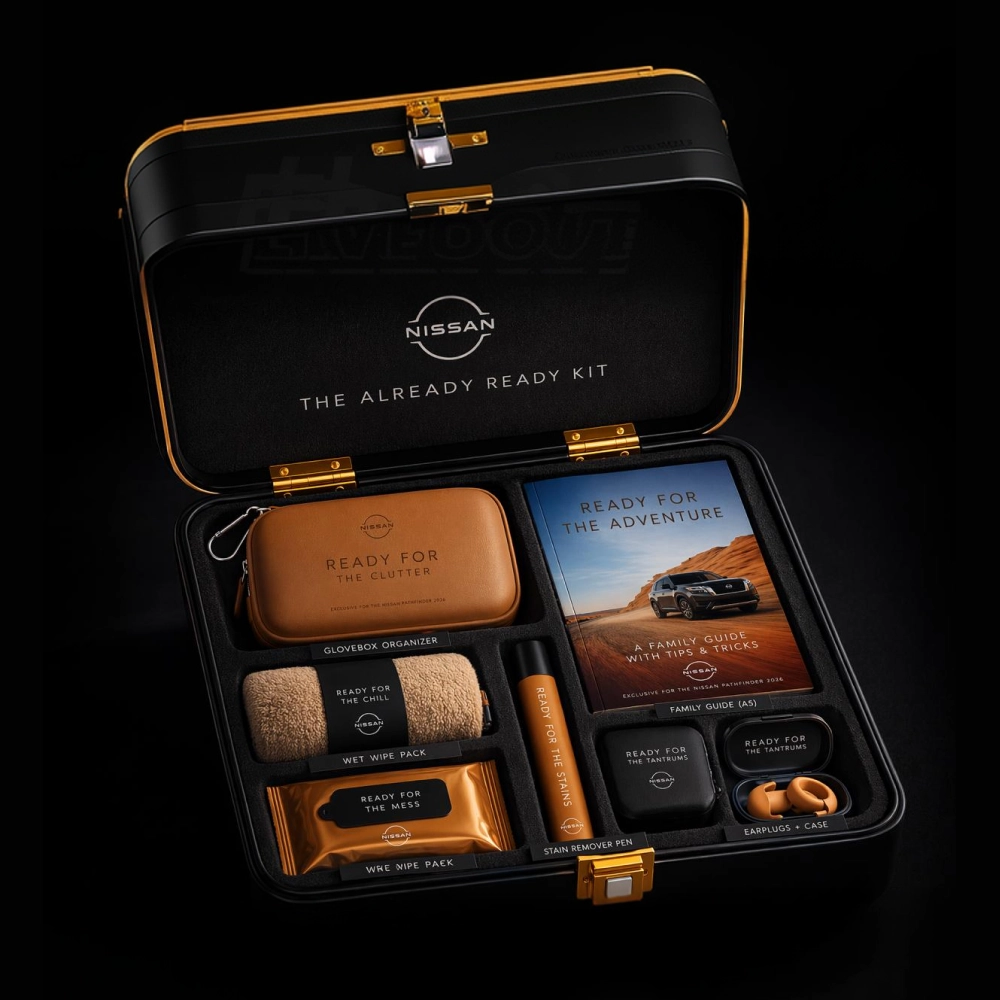
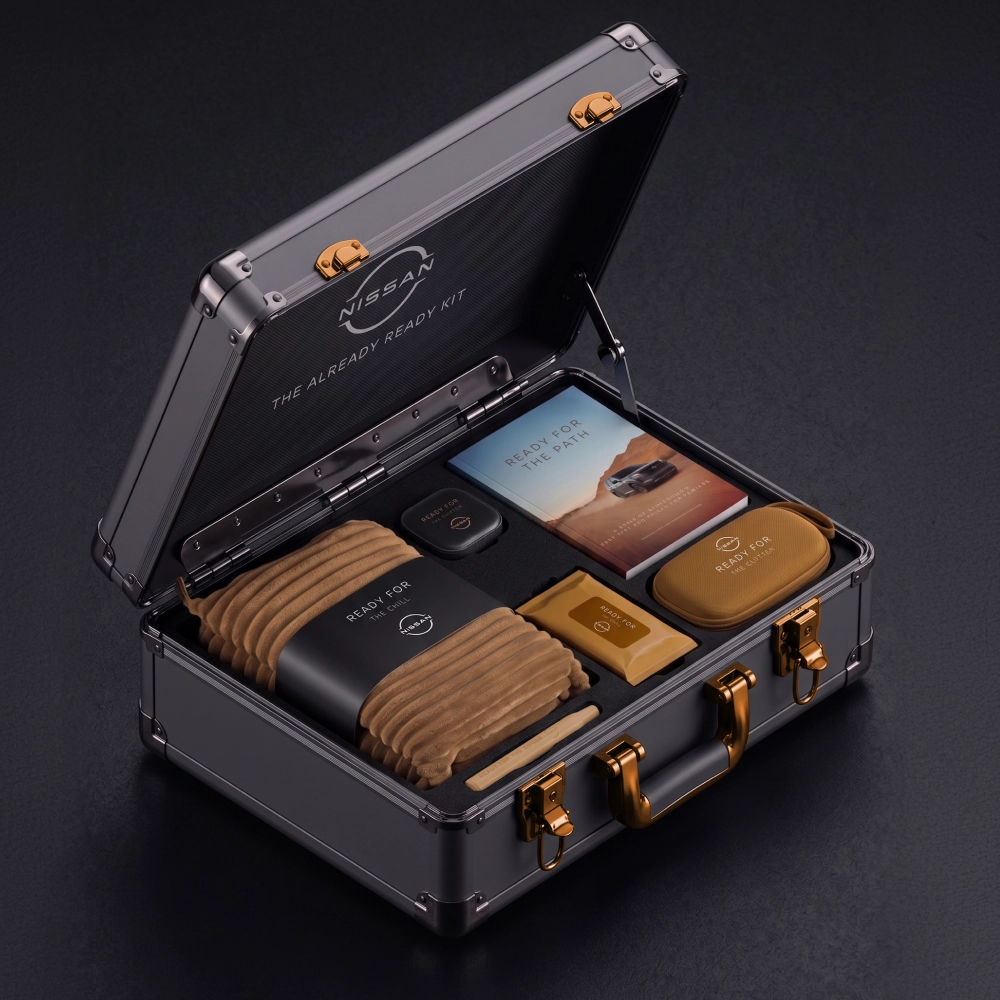
Left: AI-generated concept rendering — visually appealing, but cannot guarantee materials, proportions, or production feasibility. Right: an actual factory-produced gift box — real materials, real texture, real quality.
4.3 Understanding Chinese Sales Communication
You can reduce misunderstandings significantly by understanding how Chinese factory sales teams operate.
Response times. Chinese sales respond faster on WeChat than on email. Weekdays 9:00-18:00 Beijing time get the fastest replies. Most factories do not work on Sundays. If you send a message at night Beijing time, a next-morning reply is normal — it does not mean they are not interested.
The "no problem" trap. When a Chinese salesperson says "no problem," any of these may be true:
- It really is no problem (most common — the factory can do it)
- They need to check with production but do not want to cause friction now (risky)
- They are not entirely sure but will figure it out later (high risk)
The fix: after hearing "no problem," follow up with a specific question. "Have you done this before? Can you show me photos?" or "Can you confirm with the production team today and get back to me by end of day?"
Pricing norms. The first quote is typically a friendly opening, not the lowest possible price. Price negotiation is normal in Chinese business culture. It is not offensive.
However, the most important rule: a lower price is not always a better deal. The same product in China can cost dramatically different amounts from different suppliers. The cheaper quote is not "earning less" — it is "using different materials." The gray board is 1mm thinner. The fabric drops from 400g to 250g. The hot stamping foil switches from imported to domestic. The glue changes from eco-friendly white latex to standard hot melt. You cannot see these differences before delivery. Pushing a supplier too hard on price simply forces them to cut costs in places you cannot inspect.
4.4 Standard Process Timeline
| Day | Milestone |
|---|---|
| 1-5 | Buyer sends RFQ → Supplier responds with preliminary options and pricing |
| 5-12 | Both parties align on direction → Supplier produces design renderings |
| 12-22 | Design confirmed → Sampling |
| 22-30 | Sample shipped (domestic 2-3 days + international express 5-10 days incl. customs) |
| 30 | Buyer approves sample → Deposit payment |
| 30-50 | Mass production |
| 50-55 | QC inspection (third-party or supplier photo/video report) |
| 55 | Buyer confirms → Balance payment |
| 55-60 | Shipment (air freight 5-10 days / sea freight 25-40 days to port) |
This assumes smooth progress. In practice, design revisions, sample rejections, full production schedules, or any bottleneck can add 2-4 weeks to the overall timeline.
4.5 Payment Methods
T/T (Telegraphic Transfer) — The most common method for China sourcing. Typically 30% deposit and 70% balance before shipment. For new suppliers: you pay 30% to start production. The factory sends QC photos/video before shipment. You pay the remaining 70%. They ship.
L/C (Letter of Credit) — Used for large orders over $50,000. The bank guarantees payment. The buyer bears bank fees. Rarely used for small to mid-sized gift orders.
Alibaba Trade Assurance — Offers limited protection for orders placed through Alibaba. Coverage amounts are typically modest (thousands to tens of thousands of dollars). Better than nothing, but the dispute process can take weeks.
Golden rules for payments:
- Never pay 100% upfront. 30-50% deposit is normal.
- Always request photos or video before paying the final balance.
- For deposits over $5,000, use a company-to-company bank transfer. Avoid personal accounts or third-party accounts.
- If a supplier demands 100% prepayment or a non-company account, it is a critical danger signal.
4.6 Contract Terms to Include
Even with a supplier you trust, your first order should have a written contract covering:
- Specification freeze: Pantone numbers, material codes, dimensional tolerances
- Quality standards and inspection rights: AQL sampling standard (e.g., AQL 2.5 Level II) and buyer's right to engage third-party inspection
- Sample fees: Amount and whether refunded after reaching order threshold
- Deposit and balance: Percentages and payment triggers
- Delivery and penalties: Late delivery compensation (typically 0.5-1% per day, capped at 10% of order value)
- Incoterms: FOB, CIF, or DDP
- After-sales: Process for quality claims — remake, discount, or refund
4.7 What a Genuine Supplier Proposal Looks Like
A real supplier does not respond with a single number. Their proposal unfolds in phases.
Phase 1 — Direction alignment: The supplier sends multiple product references within your stated budget range, with indicative pricing. These numbers are not final — they shift based on customization depth, material choices, and final volume. The purpose is to align on direction before anyone commits to specifics.
Phase 2 — Formal quote after design freeze: A complete document with production-ready renderings of the full gift set (not AI-generated concept images), a line-by-line cost breakdown for every component and every packaging element, freight estimates for at least two shipping methods, and a production timeline with specific milestone dates.
Phase 3 — Pre-shipment verification: Final product photography. A video of packed pallets with your shipping marks visible. Then checkpoint updates at every logistics handoff — departure, customs clearance, arrival at destination port, last-mile delivery. You should know where your goods are without asking.
If a supplier's "quote" is a single price with a catalog link, they are not managing production. They are forwarding your order to someone who will.
5. MOQ, Pricing, and Sampling — The Real Economics
5.1 What Actually Drives MOQ
MOQ (Minimum Order Quantity) is not a sales policy. It is the point at which production becomes economically viable. Three factors push it up.
Tooling and die amortization. A hot stamping die costs $150-200 per plate. Order 500 boxes and the die cost spreads to $0.30 each. Order 50 boxes and it jumps to $3-4 each. A single gift set may need 3-4 different dies (box lid, insert, notebook cover, pen). At 30 sets, tooling alone can consume a third of your budget.
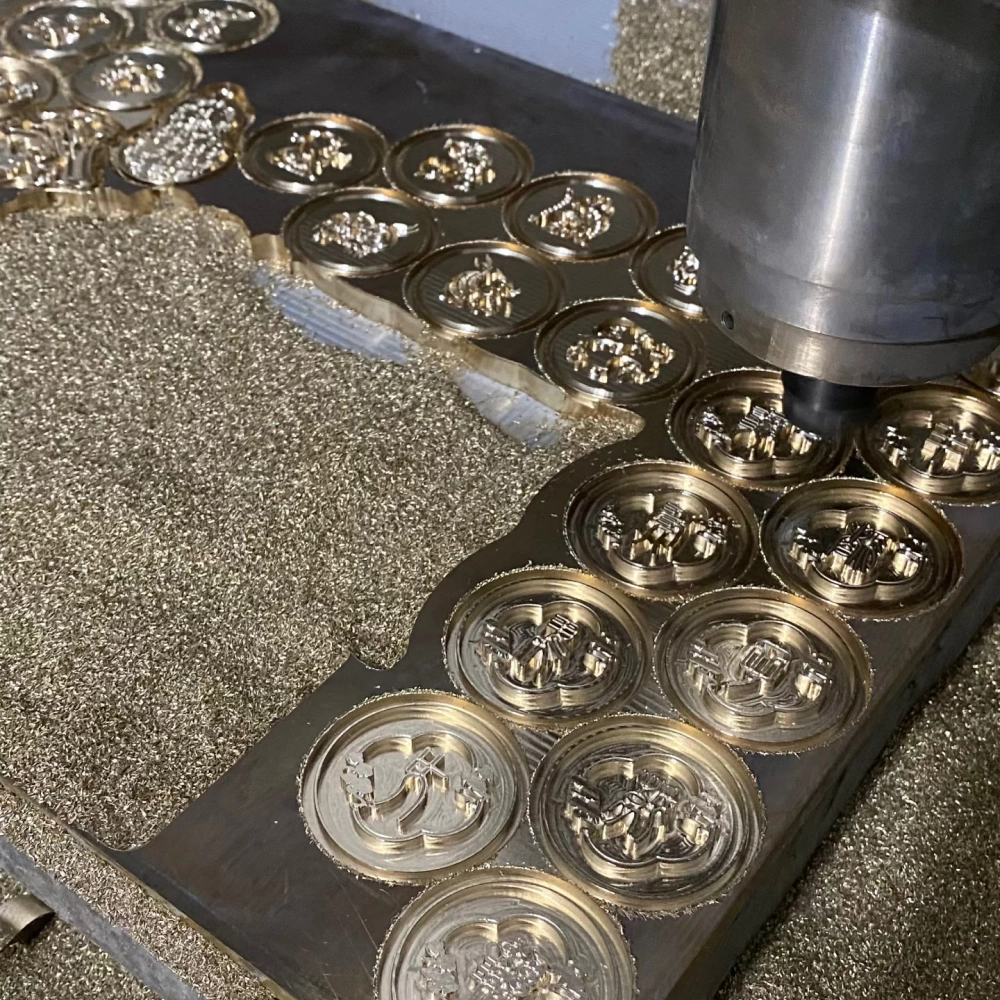
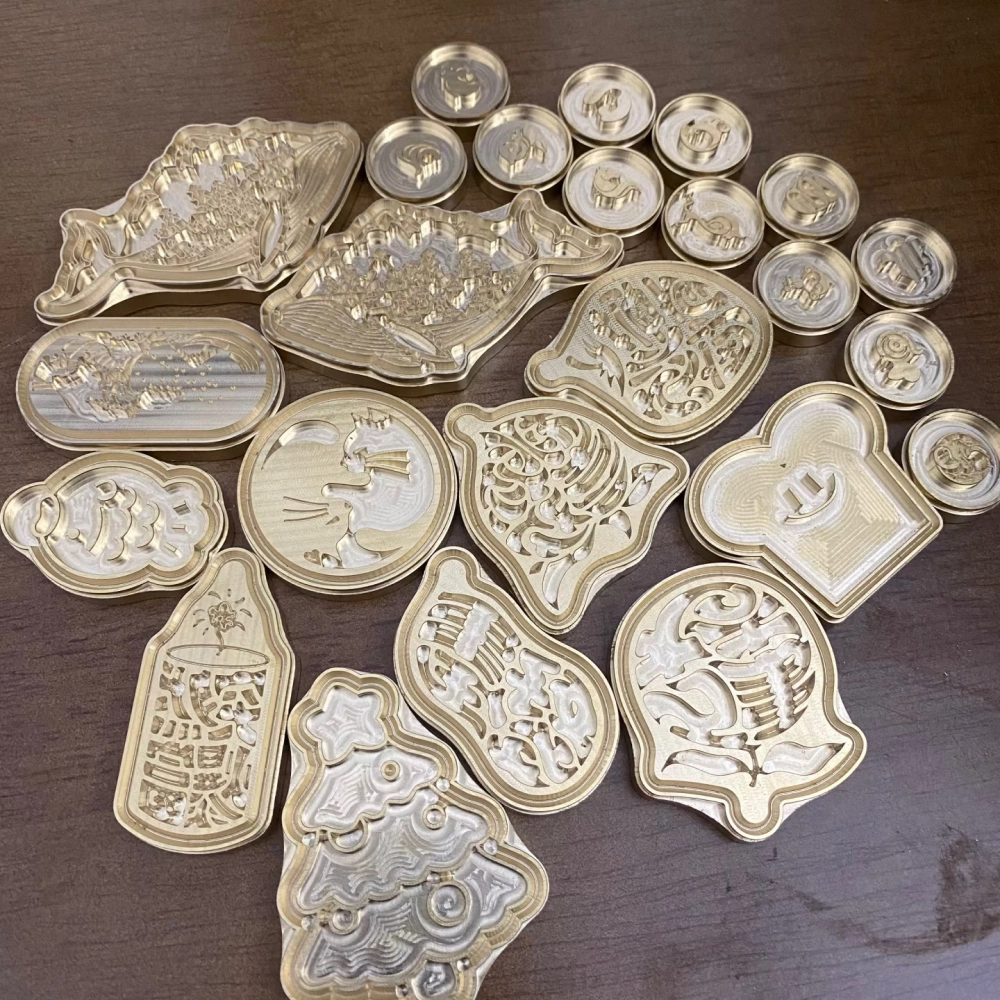
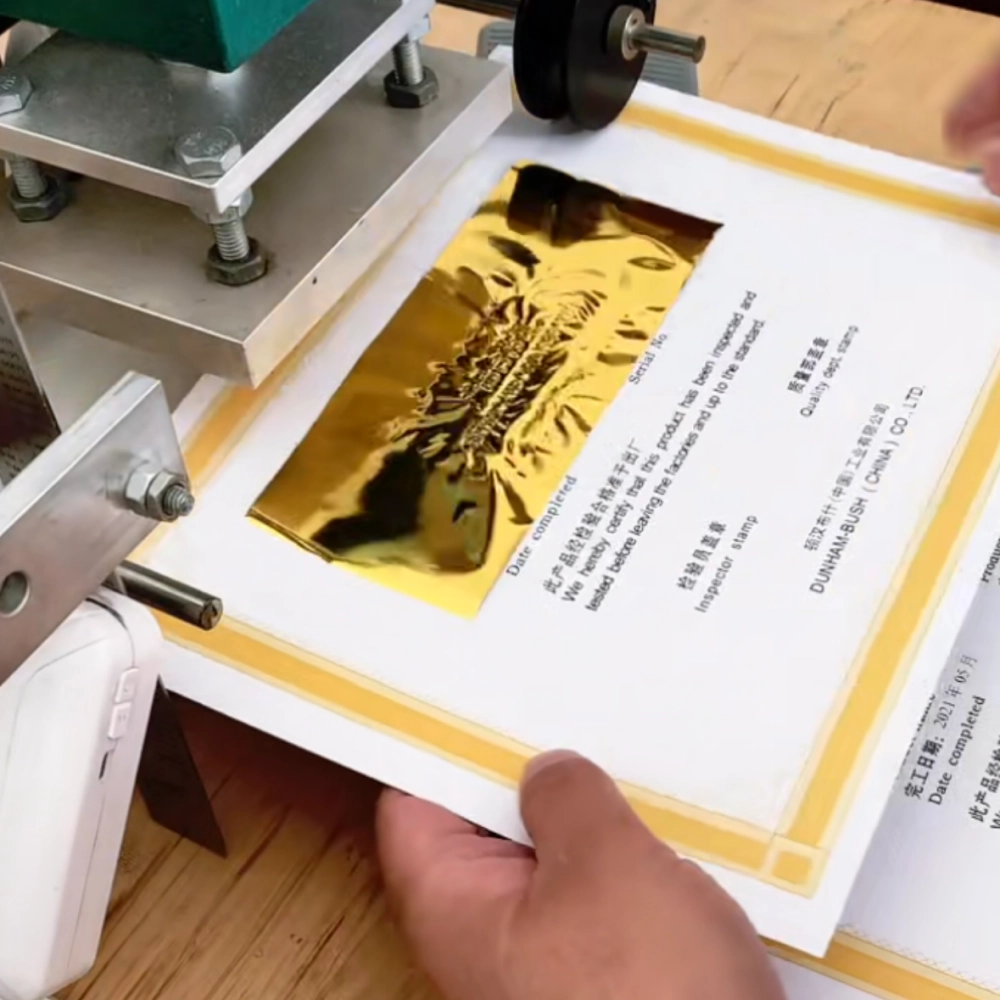
Fixed operational costs. A 50-set order and a 500-set order require roughly the same coordination: communicating with factories, running QC checkpoints, booking freight. The labor does not shrink with order size. Small orders therefore carry a higher margin (30-50%) to cover the same management effort. Large orders can drop to 5-10%.
Color change costs. A Heidelberg printing press requires a full cleanup of the ink rollers, ink fountain, and blankets before switching colors. The process takes 1-2 hours and costs approximately $100-200 per change in labor, materials, and downtime. If your order is small, this cost per unit becomes significant. For smaller quantities, choose from the supplier's standard Pantone colors rather than requesting a custom spot color.
MOQ is not a hard line. Orders below MOQ are often possible — at a higher per-unit price to cover the amortization. The better approach: find the balance near the MOQ rather than asking the supplier to make an exception.
5.2 Common Pricing Mistakes Buyers Make
- Focusing on unit price instead of total cost of ownership. Saving $2 per set but needing to coordinate three different factories, manage your own QC, and arrange consolidated shipping — that is a net loss. Factor in your own time.
- Inventing a lower competitor quote. Experienced suppliers can tell when a number is fabricated. Trust is a valuable asset in long-term relationships.
- Comparing single-category products to gift set pricing. A gift set involves materials, printing, assembly, packaging, and multi-component quality control. Comparing this to a standalone product price is meaningless.
- Not allowing enough time and then requesting rush delivery. Rush fees (typically 20-30% premium) cancel out any negotiation gains. Rush orders require the factory to disrupt their existing production schedule, stopping other orders to insert yours.
5.3 Sampling — Real Timelines and Costs
Sampling breaks down into two stages:
Design prototype: Confirms the visual direction. May not use final materials. Cost: $50-200. Typical timeline: 3-5 days.
Pre-production sample: Made with the actual production materials and tooling. This is your final decision point before committing to the full production run. Cost: $100-500 depending on complexity. May be refundable when the order reaches a certain volume.
Why some factories do not charge for samples: For standard catalog items, they simply pull one from inventory. Some suppliers use free samples as a sales tool, hiding the cost in the production price. For fully custom designs requiring new tooling, not charging a sample fee is unusual — unless the supplier expects a large enough order, or you have an established relationship.
Realistic sampling timeline:
- Design and confirmation: 5-10 days (includes revisions and time zone delays)
- Sample production: 7-14 days (longer for multi-component gift sets requiring coordination across production lines)
- Domestic shipping within China: 2-3 days
- International express (DHL/FedEx/UPS to your door): 5-10 days (including customs clearance)
- Total sampling cycle: approximately 3-5 weeks. If designs need multiple revisions or samples need remaking, it can stretch to two months.
Pre-production verification is essential — but does not have to be a physical sample. High-resolution photos and handling videos (material texture, hot stamping precision, insert fit, magnet alignment) can replace one round of physical sampling, saving 1-2 weeks of international shipping time. The key is not "holding it in your hands" — it is "seeing enough detail to make a judgment." That said, if budget and timeline allow, physical samples remain the safest option.
5.4 Why the Same Gift Set Can Have Very Different Quotes
Quotes for the same gift set can vary significantly because of several variables:
- Products themselves: Different categories (electronics vs stationery vs textiles) have fundamentally different cost structures.
- Customization processes: Hot stamping, embossing, UV printing, screen printing — each has different tooling costs, efficient volumes, and per-unit economics.
- Quantity: 300 sets and 3,000 sets differ not just in volume discounts but in production methods (manual vs semi-automated vs fully automated).
- Timeline: Normal scheduling versus rush insertion into an already-full production schedule.
- Material grade: Imported gray board vs domestic, 400g fabric vs 250g, eco-friendly glue vs standard hot melt — the final product may look similar but the price and durability differ.
There is no single "standard gift box price." The same supplier quoting the same design will give different numbers for different quantities, timelines, and material choices. A professional quote should show you what drives the cost, not just a bottom line.
6. Customization, Packaging, and Quality Control
6.1 Customization: More Than Printing a Logo
"Customization" means different things from different suppliers.
From a local gifting company or trading company: Choose from existing products and print a logo on them. Product dimensions, materials, and colors are fixed.
From a factory-direct gift supplier: Production starts from raw materials to your specification. Structure can be modified. Materials can be selected. Colors can be Pantone-matched. Packaging can be designed from scratch. Decoration processes can be combined.
Three real examples of factory-level customization:
- An LED-illuminated gift box: when the lid opens, LED strips inside light up the contents. Requires embedded circuit design and custom packaging structure.
- Enamel-filled metal badges: an ancient craft technique applied to corporate branding. Requires metal tooling, enamel filling, and polishing.
- 3D subsurface laser engraving in crystal: the logo floats inside the glass, untouched on the surface. Requires laser equipment that costs over $50,000.
These capabilities mark the boundary between a factory-level supplier and everyone else.
6.2 Box Types, MOQ, and Production Lead Times
| Box Type | MOQ Range | Production | Price Range |
|---|---|---|---|
| Folding carton | 500-1000 | 10-15 days | $0.5-1.5 |
| Rigid / magnetic closure box | 300-500 | 15-25 days | $2-6 |
| Fabric-wrapped box | 300-500 | 20-30 days | $3-8 |
| Gift set box with custom insert | 300-500 | 20-30 days | $4-10 |
| Drawer / slide box | 300-500 | 20-30 days | $3-7 |
6.3 Decoration Processes — Which One Fits Your Project
| Process | Materials | Tooling Cost | Per-Unit Cost | Minimum Quantity |
|---|---|---|---|---|
| Hot stamping | Paper, fabric, leatherette | $150-200/die | $0.10-0.30 | 300+ |
| Embossing / debossing | Paper, gray board, leatherette | $100-200/die | $0.10-0.25 | 300+ |
| Laser engraving | Wood, leather, acrylic | $0 | $0.50-2.00 | No minimum |
| UV printing | Paper, acrylic, metal | $0 | $0.30-1.00 | No minimum |
| Screen printing | Paper, plastic, metal, fabric | $30-80/color | $0.10-0.50 | 200+ |
Common misconception: Hot stamping is more expensive than screen printing. In fact, at higher volumes (1000+), hot stamping can be cheaper per unit because it is a single-pass process that does not require drying time.
Process decision guide:
- Under 200 units: choose processes with no tooling cost (laser engraving, UV printing)
- 200-500: screen printing or hot stamping, depending on material
- Over 500: hot stamping or screen printing — tooling amortization is minimal
- Fabric material: prioritize screen printing or foil stamping
- Dark material: prioritize hot stamping (gold/silver provides contrast) or UV printing
6.4 Details Buyers Miss When Checking Samples
- Logo alignment: Perfect on the sample, but the production run may shift 1-2mm. Ask about tolerance standards.
- Hot stamping adhesion: Scrape gently with a fingernail. Good foil stays; poor foil peels within weeks.
- Magnet alignment: If the magnet is not embedded straight, the lid will sit crooked.
- Insert fit: Does the product fit snugly without being too tight to remove or too loose to feel premium?
- Fabric color batch: Samples and production may differ if colors are not locked to Pantone numbers.
- Box opening angle: A quality rigid box should open to 90-100 degrees without deforming. If it does not, the board thickness or wrapping process is insufficient.
6.5 QC Process — What You Need to Know
A responsible supplier's QC process covers four stages:
- Incoming QC: Raw materials verified against specs — paper weight, board thickness, fabric color, magnet strength. Substandard materials stopped before production starts.
- In-process QC: Operators self-check after each process step (cutting, folding, gluing, foiling, assembly) with roving inspectors doing random spot checks on the line.
- Final QC: Random sampling per AQL 2.5 Level II standards — appearance, dimensions, function, packaging integrity. Rejected units documented and sorted for rework or scrap.
- Pre-shipment confirmation: Photos and video of finished goods sent for buyer approval before packing. Commercial shipments use export-grade packaging: foam corner protectors, edge boards, stretch wrap, plywood crating or pallet strapping, and corrugated inserts to prevent internal movement during freight handling.
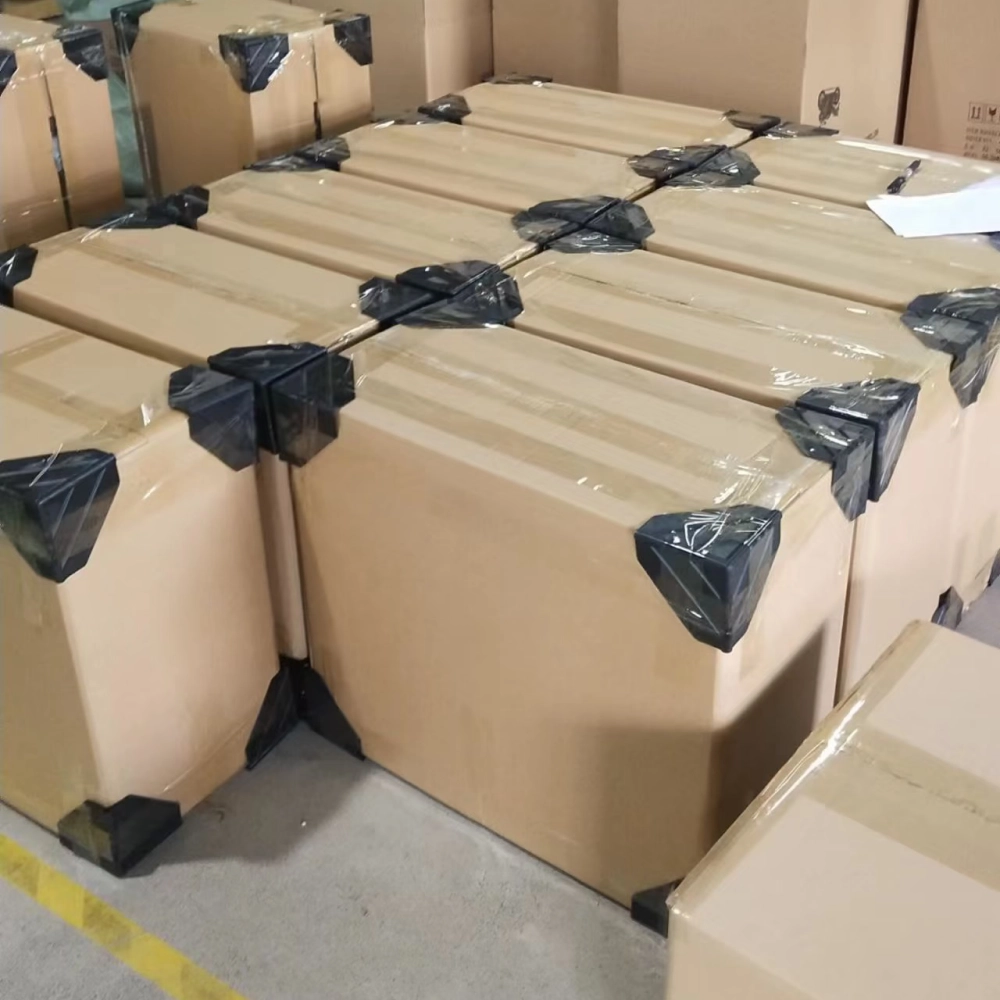
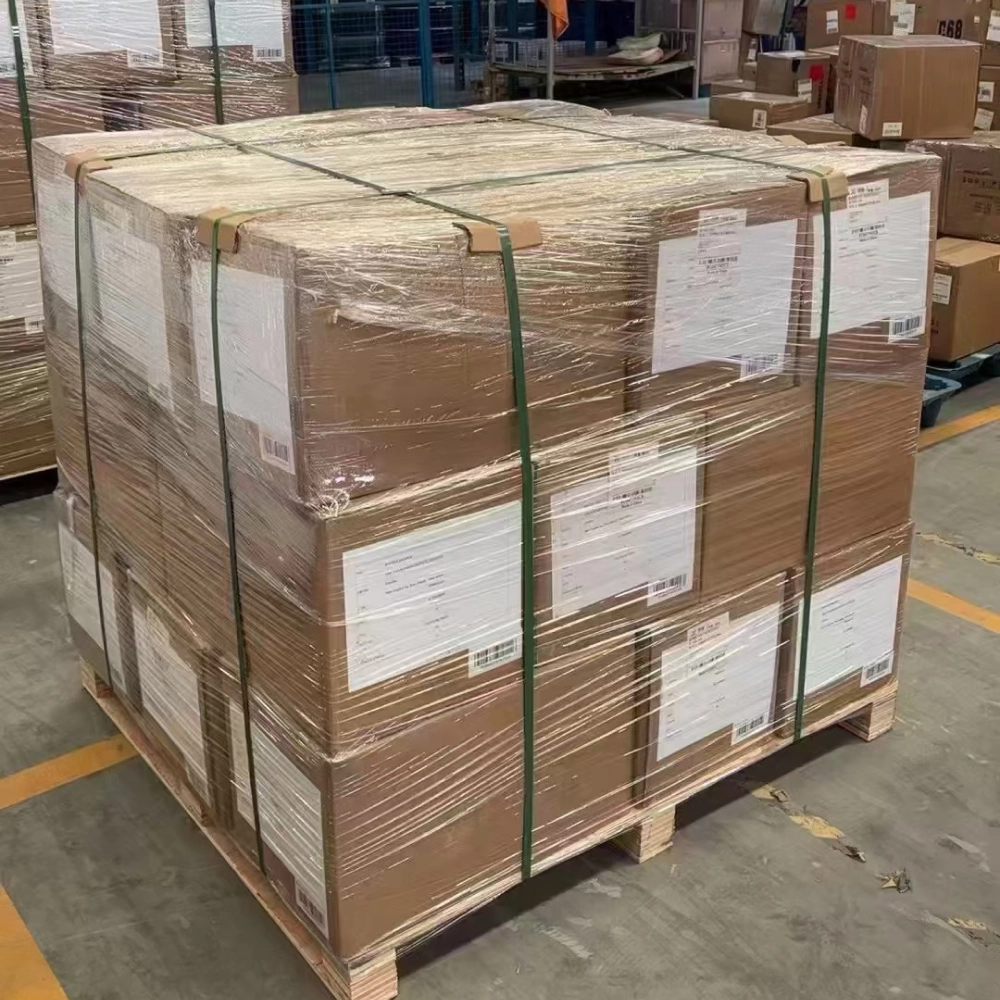
What you can do: Ask for QC reports at each stage. For first orders with new suppliers or high-value orders, hire a third-party inspection company (SGS, Bureau Veritas, QIMA). Write the AQL standard and rejection criteria into your contract.
7. Logistics, Customs, and Delivery
7.1 Four Shipping Methods Compared
| Method | Door-to-Door | Cost Factor | When to Use |
|---|---|---|---|
| Sea FCL (full container) | 35-50 days | 1x (baseline) | Bulk >12m³, flexible timeline |
| Sea LCL (less than container) | 30-45 days | 1.5-2x | Medium cargo 1-5m³ |
| Air freight | 7-14 days | 3-5x sea | Medium orders, 2-4 week deadline |
| Express courier (DHL/FedEx/UPS) | 3-7 days | 5-10x sea | Samples, small urgent orders |
Key fact: The difference between sea and air goes beyond time. Air freight has fewer packaging requirements, but more product restrictions. Electronics with batteries, liquids, and magnetic items carry sky-high air freight costs — sometimes exceeding the product value by 3-5 times.
7.2 Why Certain Products Are Expensive to Ship by Air
- Lithium batteries: Classified as DG (Dangerous Goods) Class 9. Requires special inspection, certified packaging, extra labeling. Some airlines refuse them entirely.
- Liquids (perfume, skincare, alcohol): Subject to IATA liquid transport restrictions. Per-package volume limits apply. Freight premium: 30-50%.
- Magnetic items: Require a demagnetization test report proving magnetic strength is within safe limits, or they are treated as DG.
Real impact: In a Middle East government project, the gift value was $24 per set. Air freight during the pre-Christmas peak cost $35 per set — nearly 50% more than the product itself. Sea freight would have been about $5 per set.
7.3 Multi-Address Distribution
Distributing gift sets directly to multiple recipients adds complexity:
- Not all suppliers support pick-and-pack to multiple addresses from their warehouse
- Address formats vary by country (Japan needs postal code + address order, Germany needs street + house number + post code, some Middle Eastern countries need PO Box numbers)
- Duty thresholds: sending 500 sets to 500 individuals may keep each shipment below the duty-free threshold (e.g., $800 in the US), but repeated shipments to the same address may trigger customs attention
7.4 Incoterms at a Glance
- EXW (Ex Works): You arrange everything — pickup, transport, export customs, import customs, inland delivery. Full control, but you need to understand China's export process.
- FOB (Free On Board): The supplier delivers to the designated port and loads the cargo. You handle everything afterward.
- CIF (Cost, Insurance & Freight): The supplier covers ocean freight and insurance to the destination port. You handle import customs and inland delivery.
- DDP (Delivered Duty Paid): The supplier handles everything to your door. You receive an all-in price. For first-time importers, DDP is the most straightforward option.
7.5 Real Logistics Cases
Peak season container rollover. A client placed an order in mid-September for a November event. The supplier confirmed sea freight—30 days to port. What the client did not know: September to November is China's peak export season (Christmas inventory plus Black Friday shipments stacking up). Container space was tight. The carrier rolled the container twice. Actual arrival was three weeks late. The event missed its gifts. Lesson: during peak season, add 50% buffer to sea freight estimates. Or book with a guaranteed space premium.
Missing tax ID causes customs delay. A US client gave their warehouse address but not their EIN. When the shipment arrived at the port, customs demanded an importer registration number. The client could not be reached for seven days. The port charged $850 in demurrage. Lesson: even with DDP, the supplier needs certain information from the buyer — make sure to provide everything upfront.
Split production and mixed shipping for multi-event deadlines. A tech company needed gift sets for six global exhibitions from September to December 2025, totaling 800+ sets, design finalized in early August. The supplier used a split strategy: all boxes were produced upfront using a single die-cut template (the common component did not need to wait for product decisions). Custom sculptural items were split into batches: the first batch used a simplified but visually equivalent design with fast production plus air freight, meeting the first two exhibition deadlines. Later batches used full production with sea freight, arriving at lower cost for later exhibitions. All six exhibitions received gifts on schedule. Lesson: supplier scheduling capability matters more than raw production speed for multi-deadline projects. Ask how they would sequence your project, not just how fast they can make it.
8. Action Checklist, Questions, and Templates
8.1 Before You Start
- Identify your need type: single product bulk, or multi-product gift project?
- Spend 30 minutes writing a complete RFQ (occasion, quantity, budget, destination, products, packaging)
- Shortlist 3-5 suppliers through targeted research, not mass outreach
- Ask every supplier two questions: "What do you manufacture yourself?" and "Can you send a photo of your production floor from today?"
- Schedule a video factory tour if possible
8.2 Sampling Phase
- Request design renderings and confirm direction before sample production
- Order a pre-production sample — do not skip this step entirely
- When sample arrives, do a formal inspection: alignment, material, color, craftsmanship
- Lock Pantone numbers, material codes, and dimensional tolerances in writing
- Confirm sample fee refund policy upon reaching production threshold
8.3 Contract Phase
- Confirm payment method: T/T 30% deposit / 70% balance before shipment
- Confirm Incoterms: DDP is best for first-time importers
- Include AQL standard and buyer inspection rights
- Include late delivery penalty terms
- Confirm pre-shipment quality verification method (photos/video/third-party inspection)
8.4 Production Phase
- Request milestone production photos (material arrival → printing → assembly → packing)
- For first orders or high-value orders, engage third-party QC inspection
- Confirm HTS codes for each product to verify duty rates independently
8.5 Logistics Phase
- During peak season, add 50% buffer to shipping time estimates
- Confirm whether products contain restricted items (batteries, liquids, magnets) and adjust shipping method
- If multi-address distribution, confirm supplier capability plus fee structure and address format requirements
- Provide complete delivery information: full recipient name, detailed address, phone number, import tax ID
8.6 After Delivery
- Inspect immediately: quantity, appearance quality, function, packaging integrity
- Document any issues with photos and follow the contract process
- Archive the contract, sample approval sheet, inspection report, and logistics tracking. This becomes the foundation for future orders.
One sentence of advice: Find a supplier who tells you "this cannot be done" — not one who says "no problem" to everything and expects you to discover the problem later.
8.7 Twelve Questions to Ask Any Supplier
The value is not in getting perfect answers to all twelve. It is in observing how the supplier responds — specific versus vague, transparent versus sales-oriented.
- What do you manufacture in your own facility, and what do you source from partners?
- Walk me through your QC process: how many checkpoints, what do you check, what happens when a batch fails?
- Can you show me production photos from a project that shipped last week?
- What is the most common problem in projects like mine, and how do you prevent it?
- Tell me about a project where something went wrong and how you resolved it.
- Who is my single point of contact, and how often do they proactively update me?
- Can you provide photography-grade images and video to verify quality before shipping samples?
- What are the HTS codes for the products in my gift set?
- What shipping methods do you recommend for this project, and what are the estimated costs for each?
- What MOQ applies to my project, and what specifically drives it?
- For decoration: what processes do you recommend for this material and quantity, and what are the tooling costs?
- If I need to deliver to multiple addresses in different countries, how do you handle that?
8.8 Blind Spots by Buyer Role
- Procurement: Fixating on unit price misses total cost. Saving $2 per set that requires you to coordinate three vendors yourself is a net loss. Factor in your time.
- Marketing and brand: Renderings show anything. Whether it holds across 1,000 units is a production question. Align with production reality before finalizing design.
- HR and people teams: 300 unique combinations to 300 home addresses is a completely different operation from 300 identical boxes to one loading dock. Every variable multiplies complexity.
- Event planners: Build at least two weeks of buffer between expected delivery and your event. Customs and carriers do not care about your conference date.
- Small business buyers: Gift manufacturing is not a commodity. The cheapest quote on a spreadsheet often ends up costing the most once rework, delays, and quality failures are counted.
8.9 Supplier Brief Template
Send this to 3-5 shortlisted suppliers. Not 20. You are looking for a production partner, not running an RFP.
Subject: Corporate Gift Inquiry, [Your Company / Project Name]

Occasion: [Client holiday gift / Employee welcome kit / Conference giveaway]
Recipients: [200 C-level clients / 500 new hires]
Quantity: [200-300 sets]
Budget per set: [$25-35 USD per set, all-in]
Delivery deadline: [Must arrive by November 15]
Destination: [Single address in Chicago, IL / 150 addresses across US and EU]

Products: [If known] We are interested in [tech accessories / drinkware / stationery].
We are open to suggestions.
[If unknown] We need your recommendation.

Packaging: [Custom rigid gift box with magnetic closure]
[Or] We need your recommendation on packaging structure.

Branding: Logo on [box / each item / both]. Vector files available.

Shipping: DDP preferred. Include estimated freight and duties in your quote.

Please provide:
1. Production-ready renderings of the complete gift set
2. A detailed quote: ex-factory pricing + freight estimates by method
3. Your estimated timeline from final approval to delivery
4. Anonymized examples of similar projects you have delivered
5. What you manufacture in-house versus source from partners
A supplier who responds with specific questions, trade-off analysis, and clear next steps is worth a conversation. A supplier who responds with a price list and a catalog PDF is showing you how they will work with you.
9. How to Choose: Judge by Response Quality, Not Sales Pitch
The single most revealing test of a supplier is how they handle your first inquiry.
A supplier worth working with:
- Asks specific questions about your project
- Flags risks they can already see in your parameters
- Provides production-ready renderings rather than AI-generated concept images
- Gives a clear next-step timeline with dates
- Is transparent about what they make versus what they source
A supplier to avoid:
- Responds with a price list and catalog PDF containing no project-specific commentary
- Says "yes we can do that" without asking qualifying questions
- Sends AI-generated-looking images without discussing feasibility
- Gives vague answers about processes and quality control
The gap between suppliers is not about who can source products. Almost anyone can. It is about who can take a project from a brief to a delivered, inspected, on-brand outcome without turning you into a supply chain manager along the way.
Send Us Your Project Brief