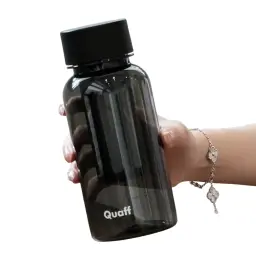
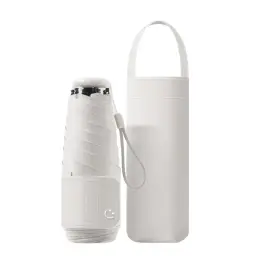
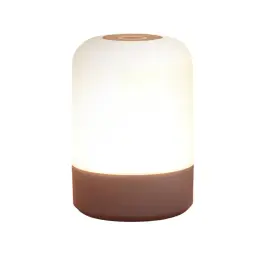
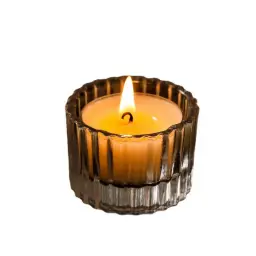
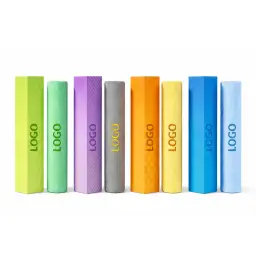
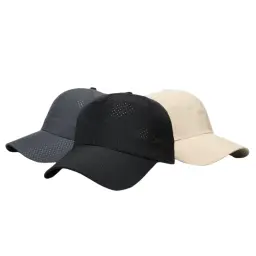
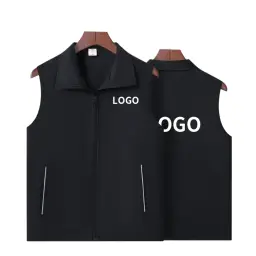
Eco-friendly gift sets work when the material story, the components and the box all point the same way. This guide walks through the six directions in the collection — recycled-material everyday carry, paper-packaged desktop technology, cork writing, drinkware and glass, tea and coffee sharing, and cork desk gifts — and explains how box structure, branding placement and occasion fit change what a buyer should settle before enquiring.
How these gift sets are put together
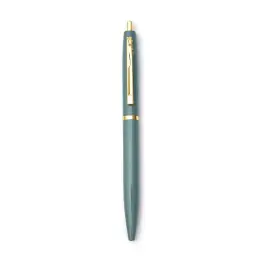
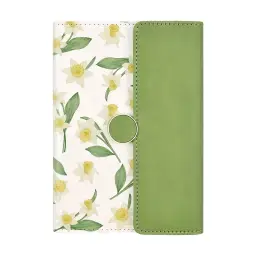
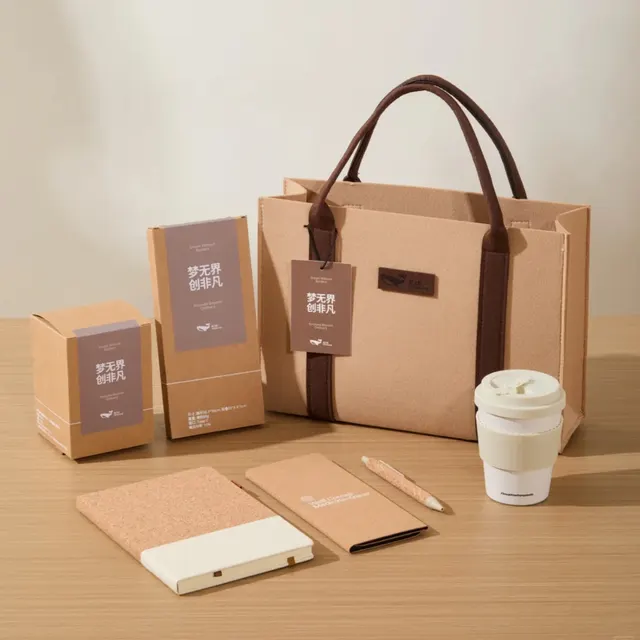
An eco-friendly gift set here is usually a combination rather than a single product: a small group of reusable daily-use items plus a box built around them. Single-item sets also exist, but writing-led combinations are common: the shape many Notebook Gift Sets take adds a tumbler, power bank, wireless charger or felt laptop sleeve to a notebook and matching pen.
The packaging is part of the specification, not an afterthought. Many sets use custom cut inserts with separate compartments to hold each piece in place, and some inserts are designed to replace foam or sponge padding. That is why the set as a whole, rather than the mug or the pen alone, is what a buyer defines first.
Materials that carry the story
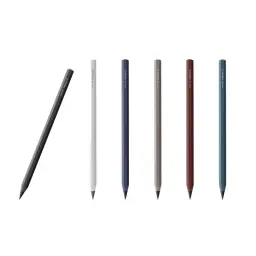
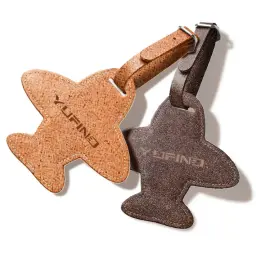
Cork, or a cork-texture finish, is a recurring thread, appearing on notebooks, pens, tumbler sleeves, wireless chargers, speakers, mugs and lids in selected sets. Recycled aluminium shows up in pen barrels, tote handles and a USB hub; recycled or wool felt in totes and laptop sleeves, including an RPET felt tote with recycled aluminium handles. Coffee-ground PP, PLA and wheat straw appear in individual tumblers, notebooks and pens.
Boxes are largely paper-based, with honeycomb paperboard and corrugated paper recurring across the paper-packaged sets, while wood, bamboo or metal accents warm selected mugs, jars, tea containers and coffee accessories. Because each material appears in selected sets rather than uniformly, confirm the composition of your exact configuration instead of reading this list as a category standard.
The six directions in this collection
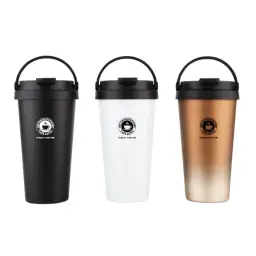
The collection is organised into six directions. Recycled-material everyday carry puts a felt tote around a lidded tumbler, notebook and pen in soft green, grey and beige, with recycled aluminium handles, a recycled aluminium pen and a coffee-ground PP tumbler supplying the material story. Cork writing and connected work keeps cork, wheat straw and PLA on notebooks and pens, then adds a power bank or wireless charger so the set follows the recipient between office and home.
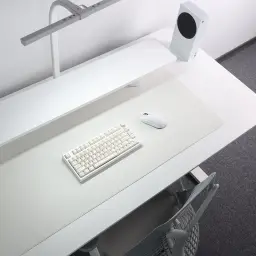
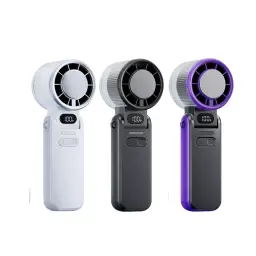
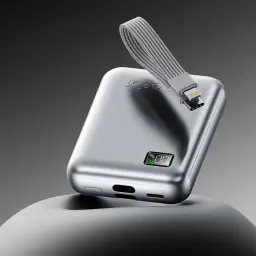
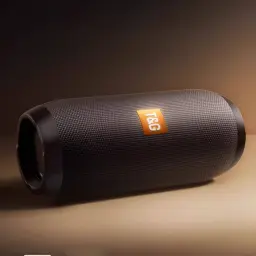
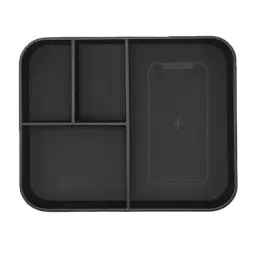
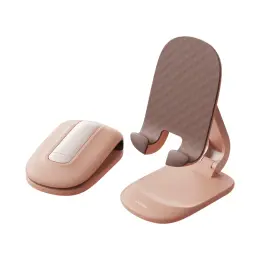
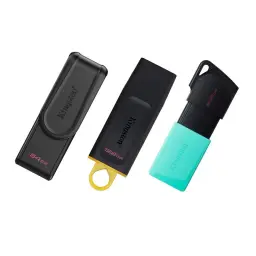
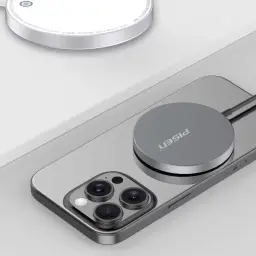
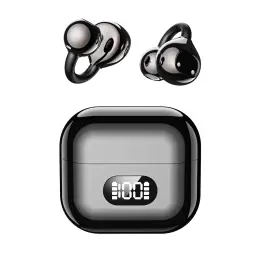
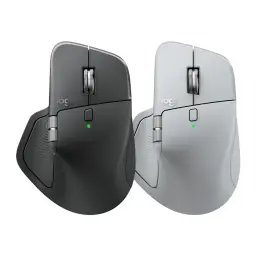
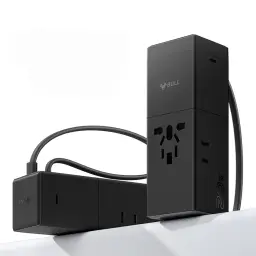
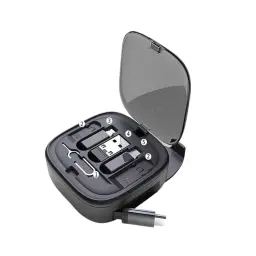
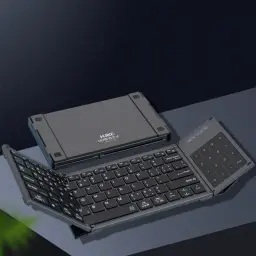
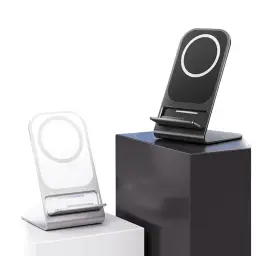
Paper-packaged desktop technology is the third direction: Tech Gift Sets gather power banks, USB hubs, wireless chargers, Bluetooth speakers and charging cables into a divided paper box, sometimes beside a recycled aluminium pen or a ceramic mug, with inserts cut to hold each device.
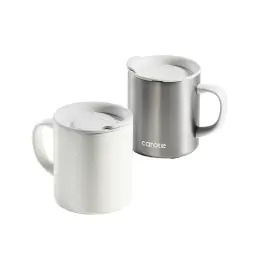
The fourth direction centres on vessels — Drinkware Gift Sets built from white or black ceramic mugs, glass water bottles and wood-lidded glass jars, with lids, sleeves and wooden accents. The last two cover tea, coffee and sharing gifts in divided paperboard boxes holding tea cakes, honey, nuts, dried fruit, snack jars or coffee beans, and a looser desk direction of cork-finish notebooks, pens and drinkware rounded out by felt laptop sleeves, ceramic mugs or a Bluetooth speaker.
Box structures and how they open
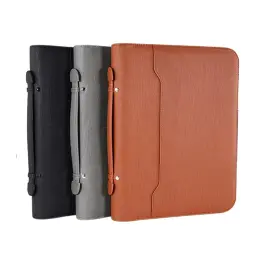
Lid-and-base, hinged-lid, rigid sleeve, foldable V-groove, briefcase-style and tote-carried formats all appear, and the carrier can double as the gift bag: a tote bag, felt bag, cork-fabric bag, paper bag or integrated handle means the box opens into something the recipient takes away.
Sharing sets ask more of the structure, since several loose components have to stay organised — divided inserts, carrying handles or briefcase-style straps do that work. Some honeycomb paperboard boxes are made to assemble without glue, foam or plastic shrink wrap, and some boxes are designed to ship flat before assembly; both are set-specific, so check them against the box you choose.
Branding across product and packaging
Logo customization can sit on the product, the packaging, or both. Printing, laser engraving and silk-screen options appear across the range, and branding can extend to the box exterior, insert, sleeve, ribbon, waistband, tote or product surface. Where a programme serves more than one audience or event, the packaging is often the easiest element to vary: sleeves, waistbands, ribbons, printed graphics and colour changes can be adapted for different campaigns, SKUs or events, and custom inserts and box layouts can be shaped around a different component mix.
Matching the set to the occasion
These sets are positioned for client appreciation, employee benefits and onboarding, event and trade show giveaways, anniversary gifts and meetings. Onboarding recurs across the writing, drinkware and technology directions, which is why Employee Onboarding Kits are a common starting point: a new starter can use a notebook, tumbler or charger from the first week.
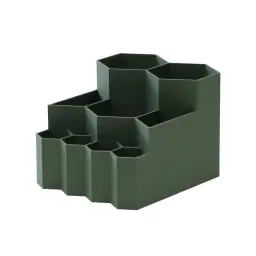
Client appreciation and recognition tend to sit with the desk and drinkware directions, where Office & Desk Gift Sets are handed over in person and the coordinated palette does the talking, while trade show, conference and event giveaways draw on the paper-packaged, cork and drinkware sets, where a box that carries easily and opens cleanly counts as much as the contents.
Some programmes need only one object: single-item eco gift sets also exist, where the packaging turns a mug, bottle or jar into a gift presentation.
What to confirm before ordering
Because details vary from set to set, four points are worth settling first: material composition, customization scope, packaging structure and component fit. Ask which materials actually appear in your set, where the logo can go and by which method, how the box and insert are built, and whether the insert can be recut for a different mix.
MOQ, price and dimensions vary by configuration and are not uniform across the category, so confirm them for the exact set you specify. Where a supplier describes a material as biodegradable or recyclable, ask for the certification or test report that applies to your set; not every eco-material claim is certified.
CARDSILK works as a China-based sourcing and coordination partner rather than a factory owner, bringing components, inserts and packaging together from the supply chain and adapting branding across products and boxes. An enquiry that states the occasion, recipient group, target quantity, intended combination and branding placement gives enough to specify the set around those choices.